
Things to Do in Costa Brava: A 3-Day Itinerary

From hilltop villages to hidden turquoise coves, the Costa Brava is one of Spain’s best-kept secrets and one of the most beautiful stretches of coastline in the Mediterranean.
The region has a chilled charm that’s easy to fall in love with. The seafront is lined with restaurants serving fresh seafood, but it’s inland where I was most surprised.
Stone villages with honey-coloured walls sit close to rolling vineyards, and at times it felt more like rural France or a corner of Tuscany than the Spanish coast. It was very easy to lose a day here wandering from one beautiful village to another.
There’s plenty of history and culture to discover, too. On this trip we explored Salvador Dalí’s castle in Púbol, wandered the old streets of Girona and crossed the medieval bridge in Besalú, so there’s far more to the region than the beaches.
I didn’t expect to enjoy it as much as I did, and it’s now one of my favourite parts of Spain. I’m already keen to go back!
So what are the best things to do in Costa Brava over 3 days? Read on to find out.
Disclaimer: This post has been sponsored by Jet2 Holidays and contains affiliate links. If you decide to make a verified purchase through the links in this post, I will earn a small commission. This will be at no extra cost to you. Thank you.
Getting to the Costa Brava
The easiest way to reach the Costa Brava is to fly into Girona. It’s the closest airport to Lloret de Mar, where we were based for our 3 days in the region, and the transfer from Girona to Lloret de Mar takes just 30 to 40 minutes.
Barcelona airport is the other option, but it’s a much longer journey, so Girona saves you time at both ends of your trip.
It’s also a small, easy airport, so you’re through and on your way quickly (which makes it ideal for a long weekend, when every second counts).
You can book direct flights to Girona with Jet2 from the UK.
How to get around the Costa Brava
Our transfers were arranged for us, but if you’re planning this itinerary yourself, hiring a car is the easiest way to get around.
The medieval villages, vineyards and Dalí’s castle in Púbol are spread across the countryside and aren’t always well served by public transport, so having your own car lets you go at your own pace and means you won’t get stuck.
You can often pick one up at Girona airport when you land.
Where to Stay: Why Lloret de Mar Makes an Easy Base
Lloret de Mar has had a bit of a party reputation in the past, but it’s a much more relaxed resort than you might expect.
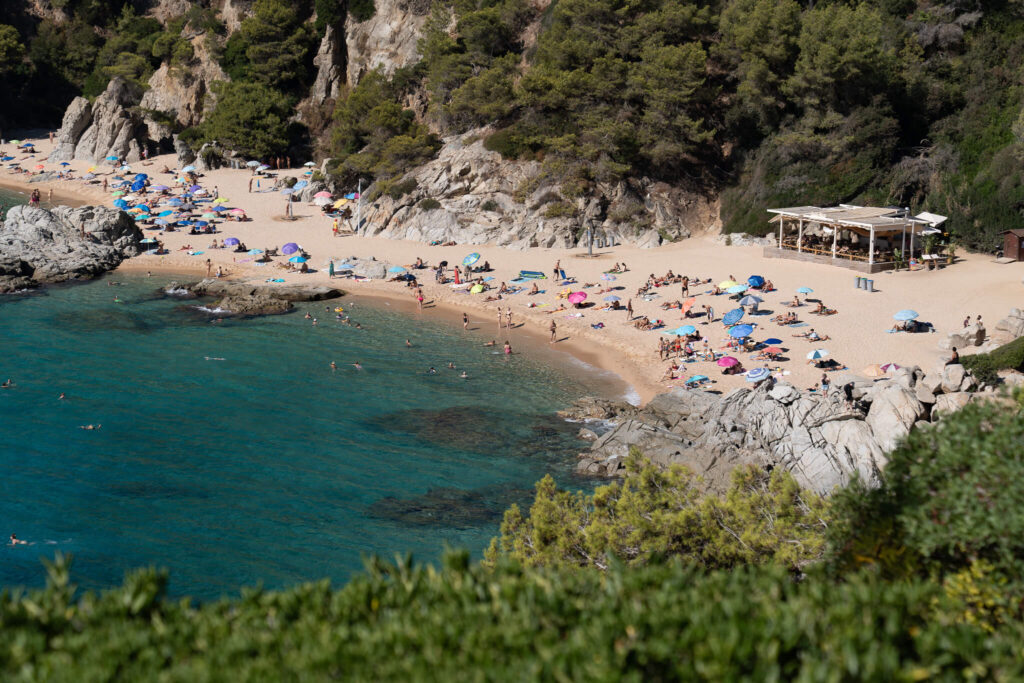
There’s a long beach, plenty of incredible restaurants in the old town and the whole area is a good fit whether you are coming here for a couples holiday, with family or with friends.
We stayed at the 5-star Meliá Lloret De Mar, and our day trips were all within a 60- 90-minute drive from the hotel, and we could walk into town for dinner in the evenings.
The hotel pool was a very nice spot to chill after a busy day of sightseeing, and as someone who’s really into my fitness, I also appreciated the gym, which was pretty well equipped for a hotel gym.
If you’re thinking about a trip of your own, take a look at the holidays and hotels in the Costa Brava from Jet2holidays.
Things to Do in Costa Brava
Day 1: Gardens, Cocktails and Cove-Hopping in Lloret de Mar
Santa Clotilde Gardens and a daiquiri workshop
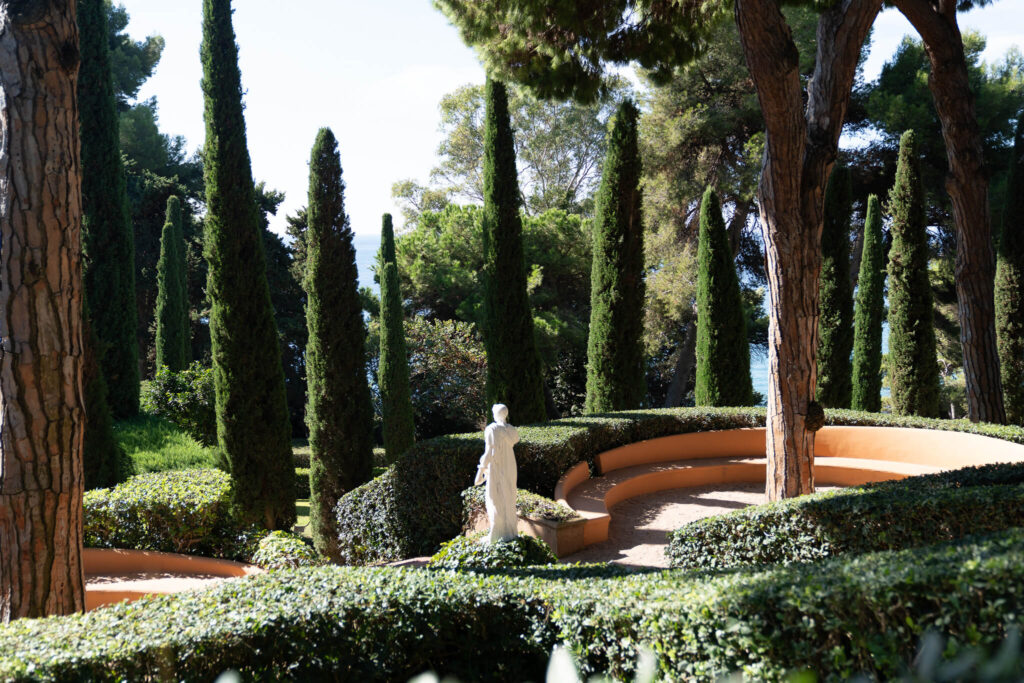
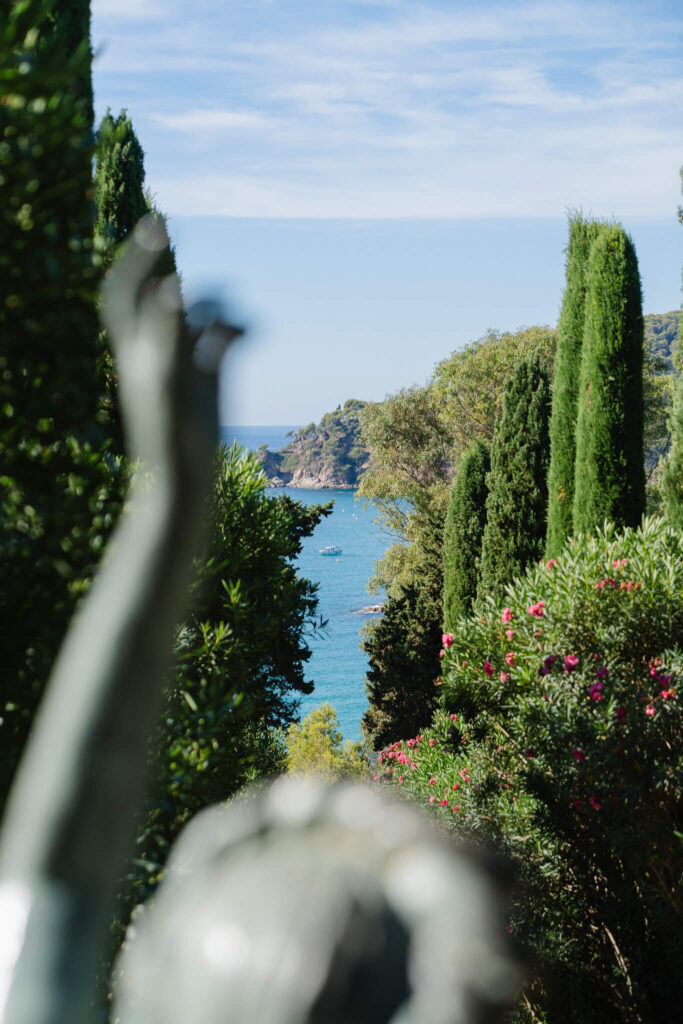
Our first stop was the Santa Clotilde Gardens, which you can find perched on a cliff just outside the centre of Lloret de Mar.
They were designed in 1919 by the architect Nicolau Maria Rubió i Tudurí, who was commissioned by the Marquis of Roviralta, and they’re said to have been created in honour of his wife, Clotilde.
The gardens are inspired by Italian Renaissance style, with fountains, classical sculptures, and some seriously incredible sea views.
The gardens were also used as a filming location for House of the Dragon, so if you are a fan of the series, this is a great place to visit.
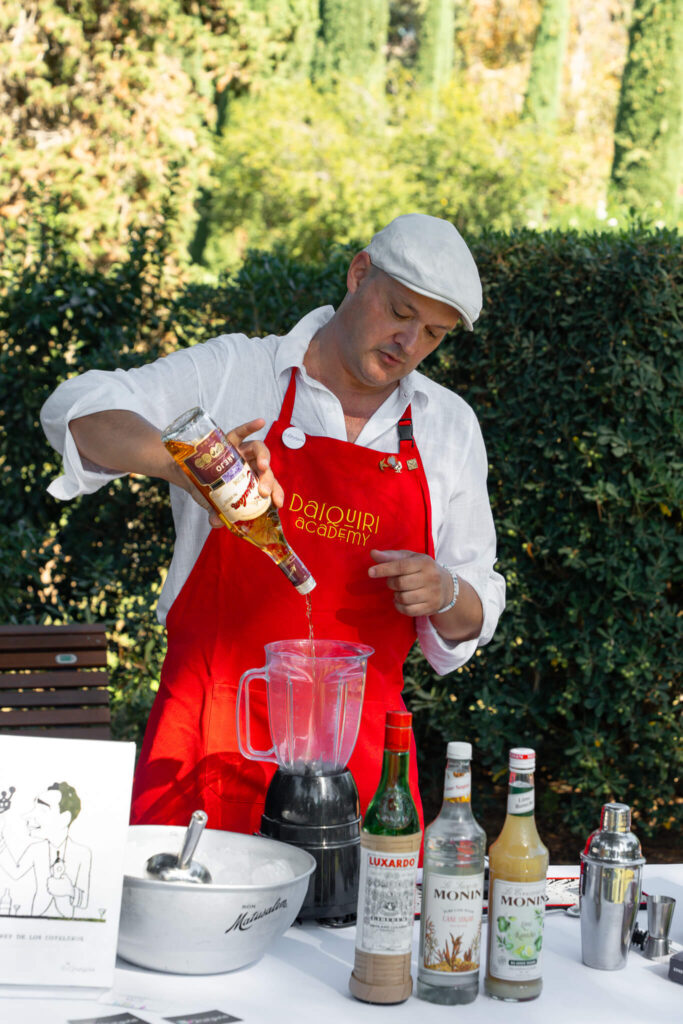
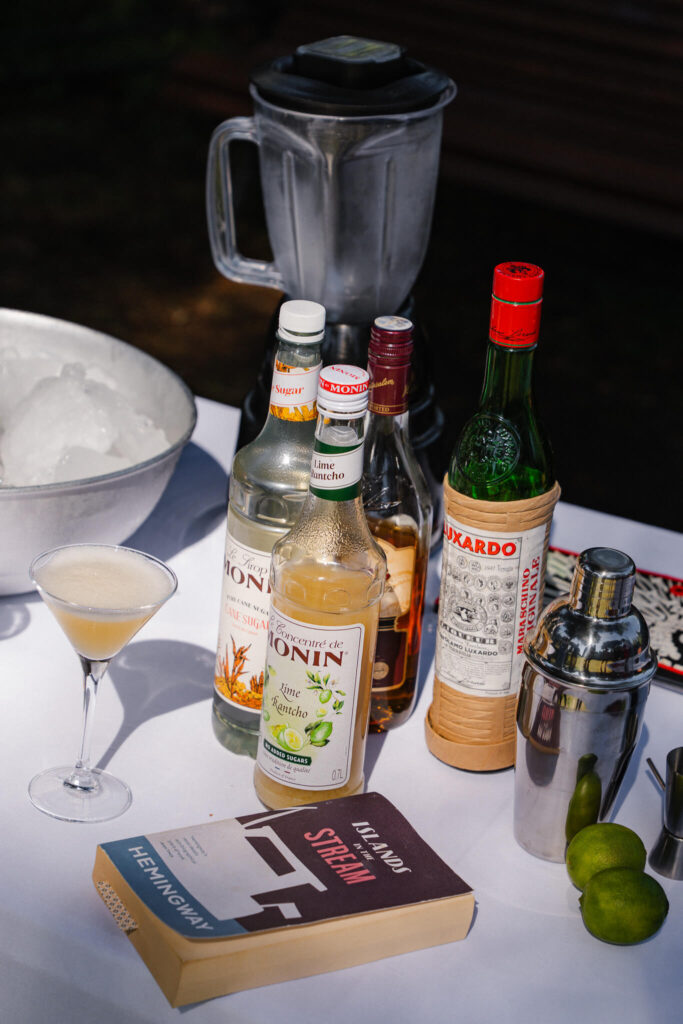
We also joined a daiquiri workshop here with Amargura Cultura. Our host, David, told us the story of Lloret de Mar daiquiri, which I knew nothing about beforehand.
This was such a fun way to start the trip, despite it being only 11:00 by the time we were downing Daiquiris.
Lunch at Gammarus, Cala Canyelles
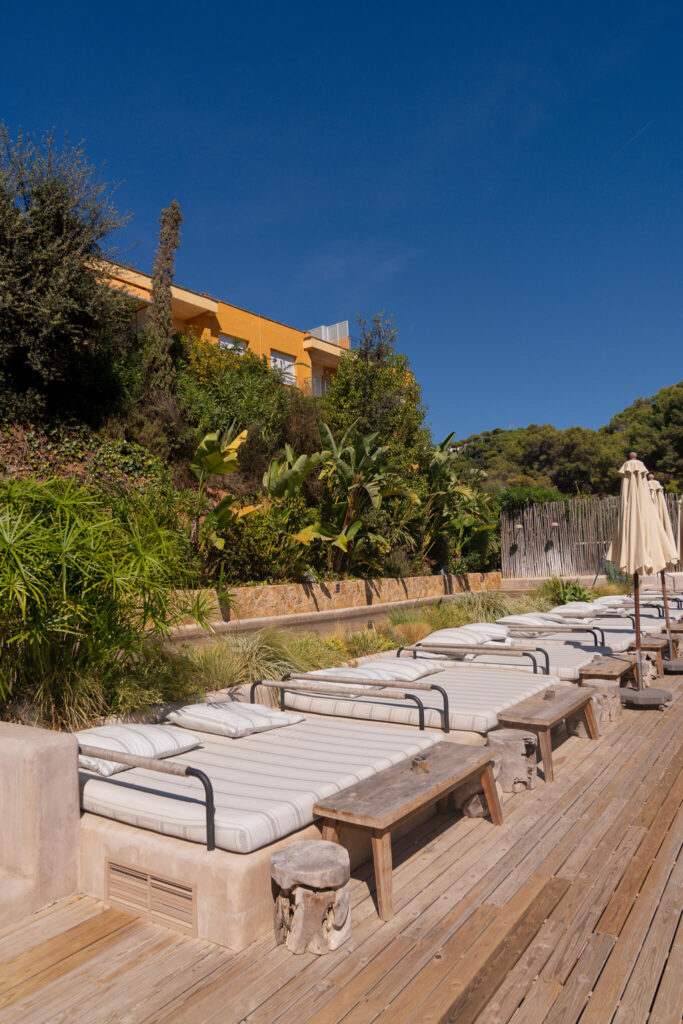
After the gardens, it was time for lunch at the most beautiful beach club and restaurant, Gammarus in Cala Canyelles (which translates to Lobster in English).
From Santa Clotilde, it’s about a 10-minute walk down to Fanals Beach, where we hopped on a Dofí Jet boat water taxi along the coast to Cala Canyelles.
Arriving at a cove by boat was a very cool way to see Lloret’s coastline, and it gives you a view you just don’t get from the road.
As we pulled into Cala Canyelles, the colour of the water was so beautiful that I was a little sad there wasn’t enough time to enjoy the beach.
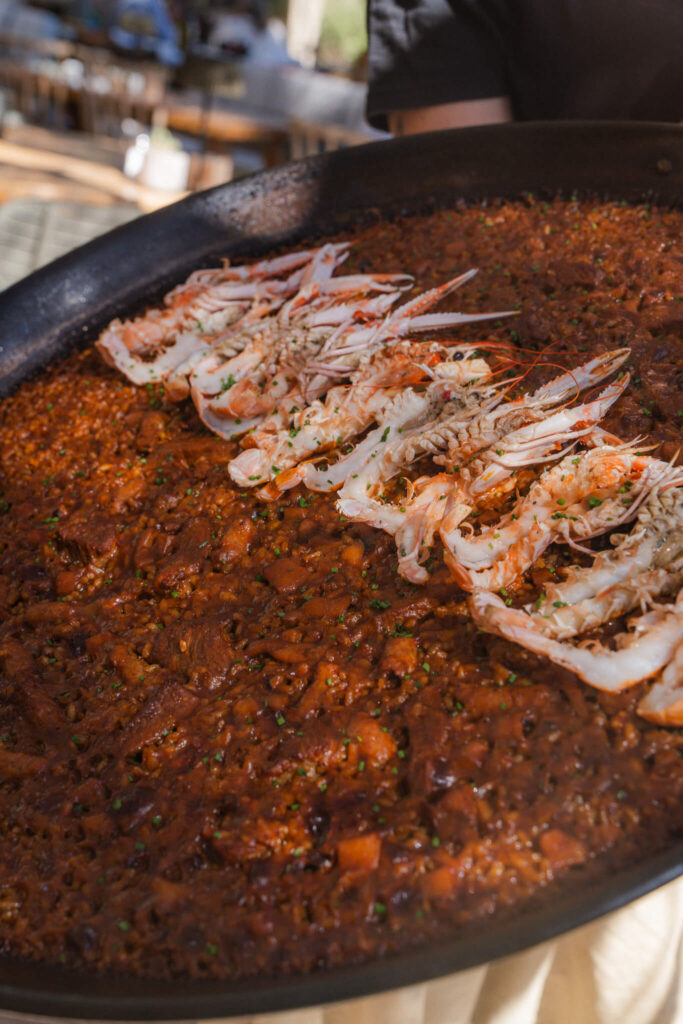
But that sadness was short-lived because the meal we enjoyed at Gammarus was nothing short of incredible. We had some typical (but very delicious) cured meats, croquettes and Paella.
Castell de Lloret
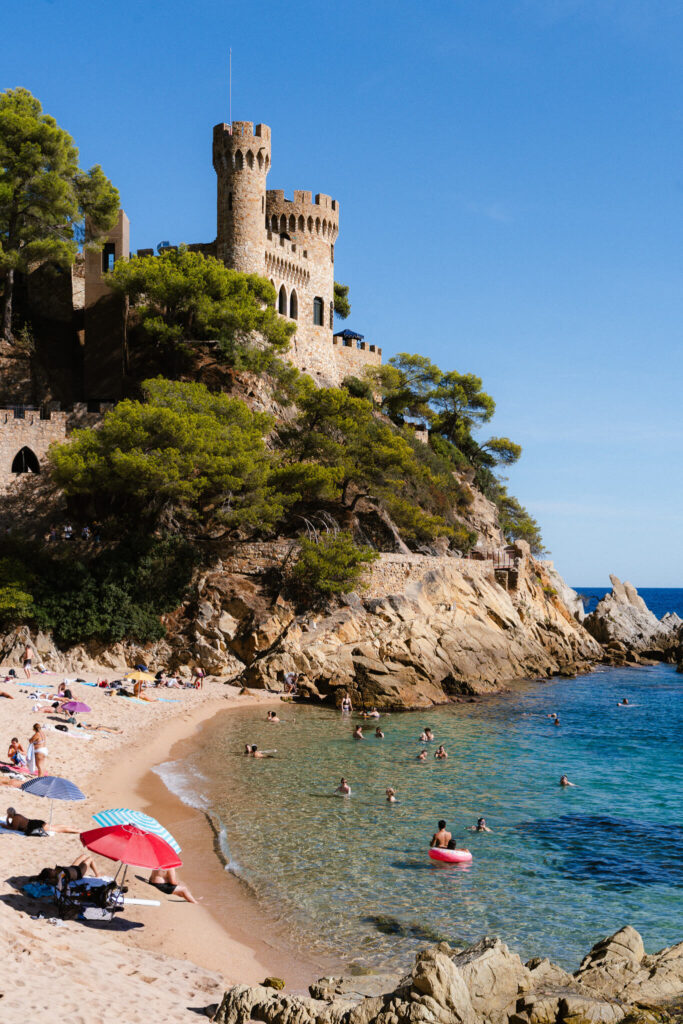
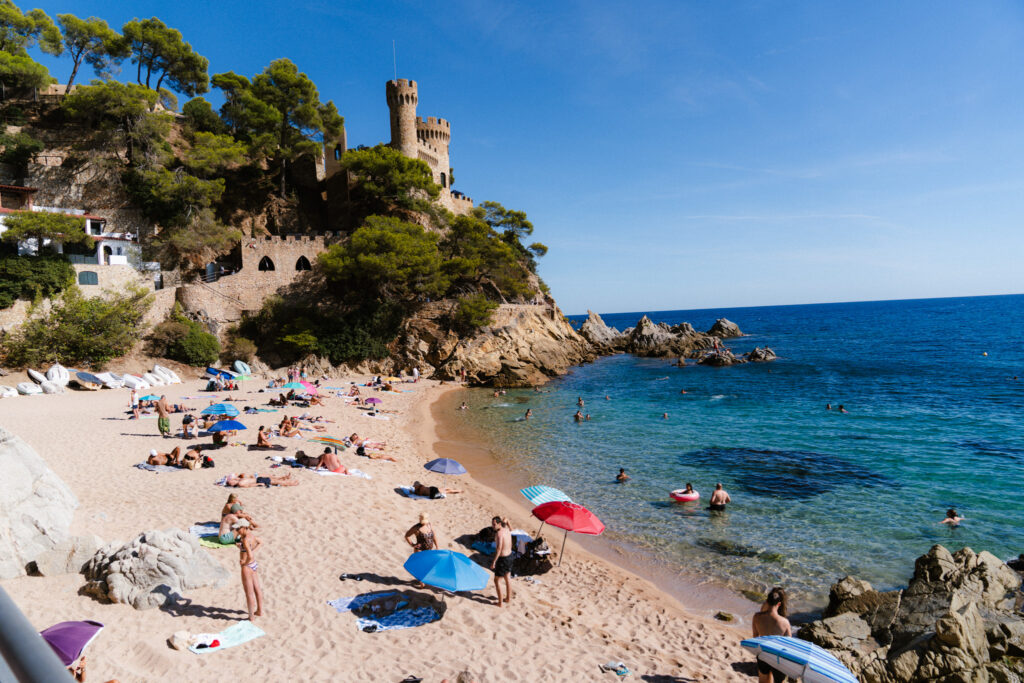
After lunch, we visited Castell de Lloret, also known as Castell d’en Plaja, which is one of the most recognisable landmarks on Lloret’s coastline.
It looks like a medieval castle, but it was actually built in the 1930s as a grand private residence.
Since 2023, it has housed an immersive exhibition about climate change, and the terrace bar has views over the beach and the Costa Brava coast.
We finished the visit with a coffee on the terrace, and it’s a great spot to take in the view.
The exhibition felt like it didn’t really fit, or have relevance to the location/castle, but it was very interesting and a lot of fun nonetheless.
Day 2: E-Bikes, Vineyards and Dalí’s Castle
Burricleta e-bike experience
For this e-biking experience, we transferred to Gualta, a small village in the Baix Empordà, for a guided tour with Burricleta.
The area is one of the best places to visit in the Costa Brava if you want a break from the beaches.
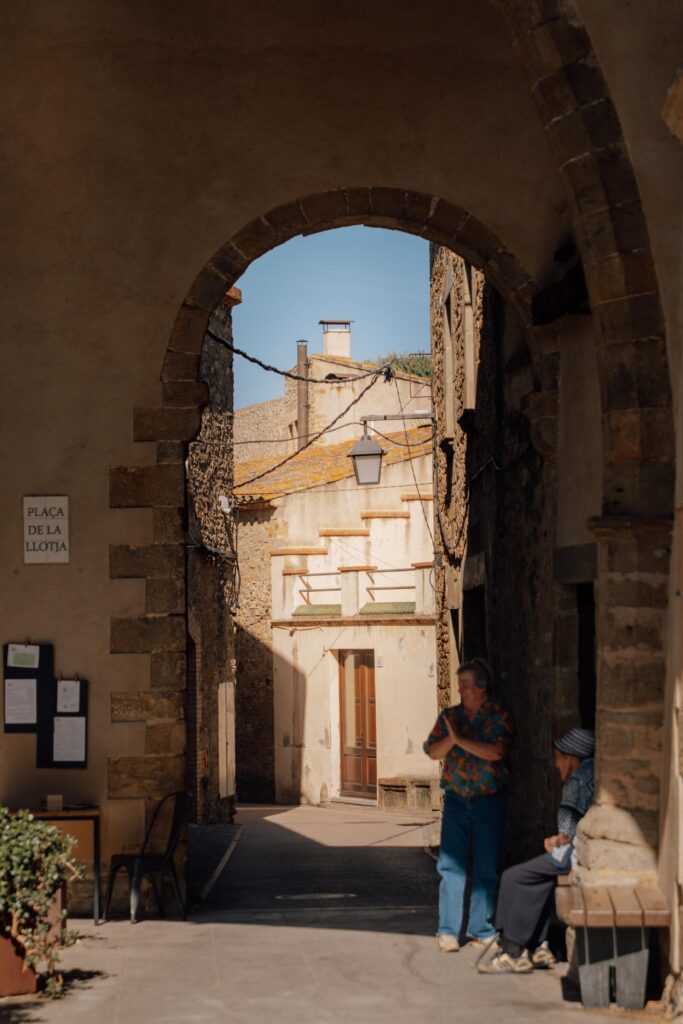
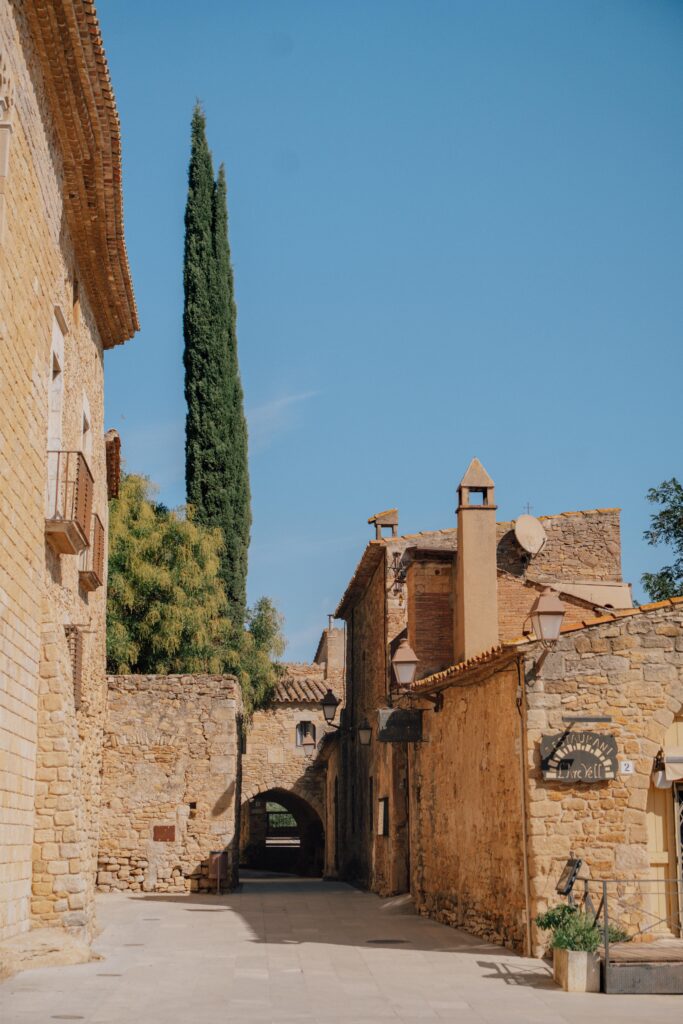
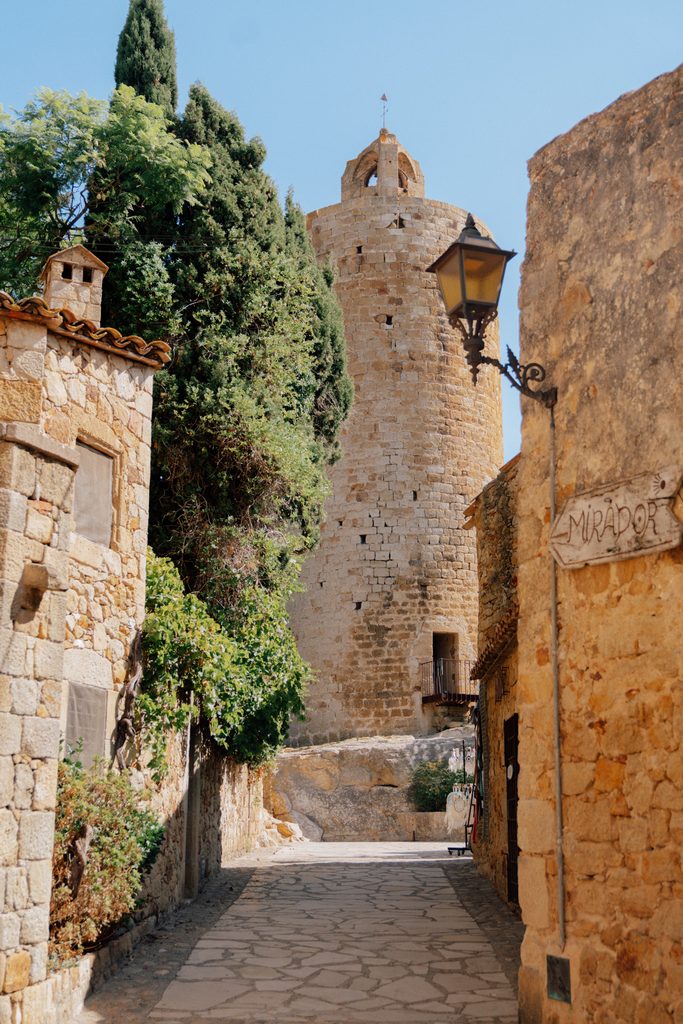
The route takes you through the Baix Empordà countryside, and on our tour we stopped at 3 medieval villages: Ullastret, Peratallada, and Pals. All were stunning, but Pals had to be my absolute favourite.
This was one of my favourite things to do in the Costa Brava, and I can highly recommend doing this on your Costa Brava trip.
Lunch among the vineyards at Mas Geli Winery
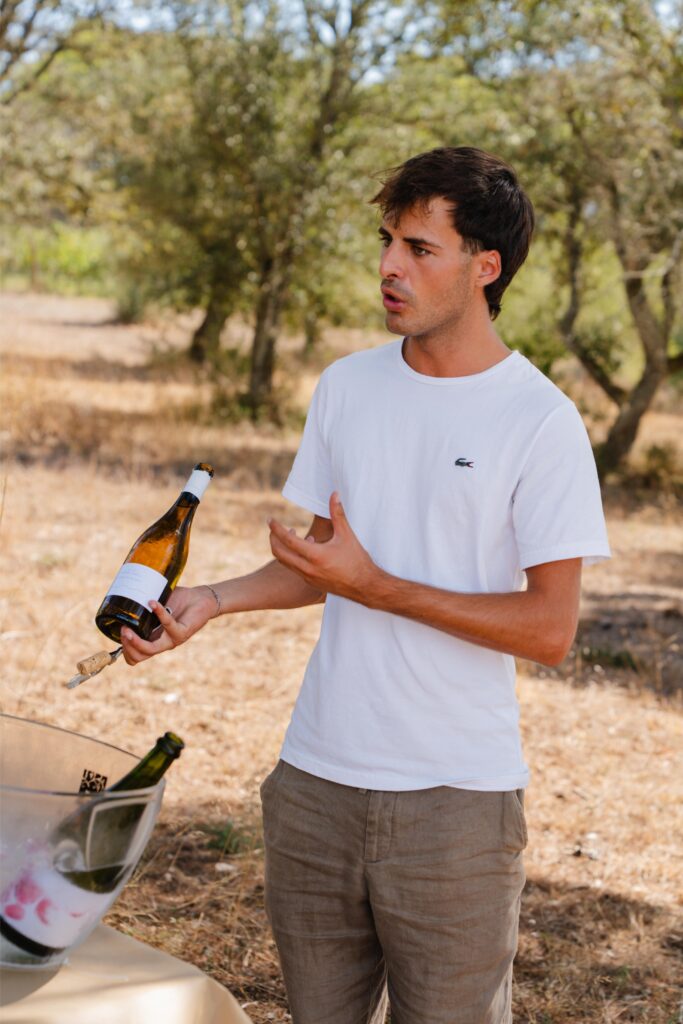
For lunch, we went to Mas Geli Winery in Pals, which is a family-run winery surrounded by the Begur and Montgrí mountains.
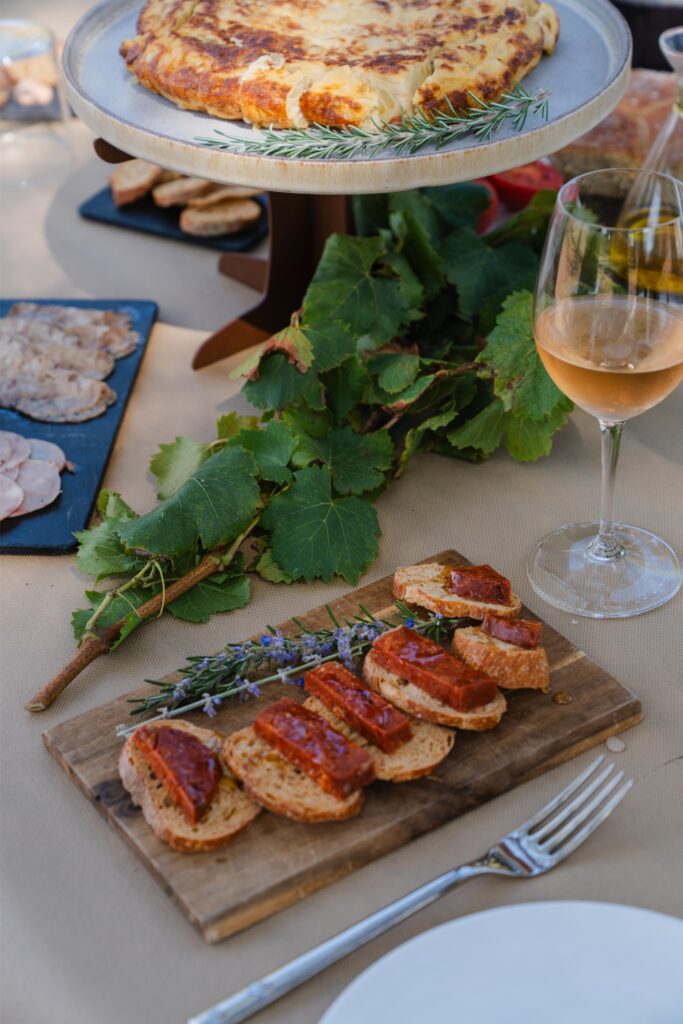
After an eventful morning on the bikes, this is exactly what we needed. The setting was so lovely, and after a very interesting tour of the site, they even surprised us with a picnic table amongst the vineyards.
We were given a delicious spread of cured meats, cheeses, breads and of course some wines to enjoy.
We got the opportunity to try a red, white and sparkling wine, and I loved the sparkling so much that I took a bottle back home with me.
Gala Dalí Castle in Púbol
In the afternoon, we visited the Gala Dalí Castle in Púbol, with a professional guide. It’s a medieval castle that Salvador Dalí bought in 1969 as a gift for his wife and muse, Gala, who he’d promised a castle years earlier.
Gala accepted the castle on one condition: Dalí could only visit if she invited him in writing (which I loved to hear, clearly a woman ahead of her time).
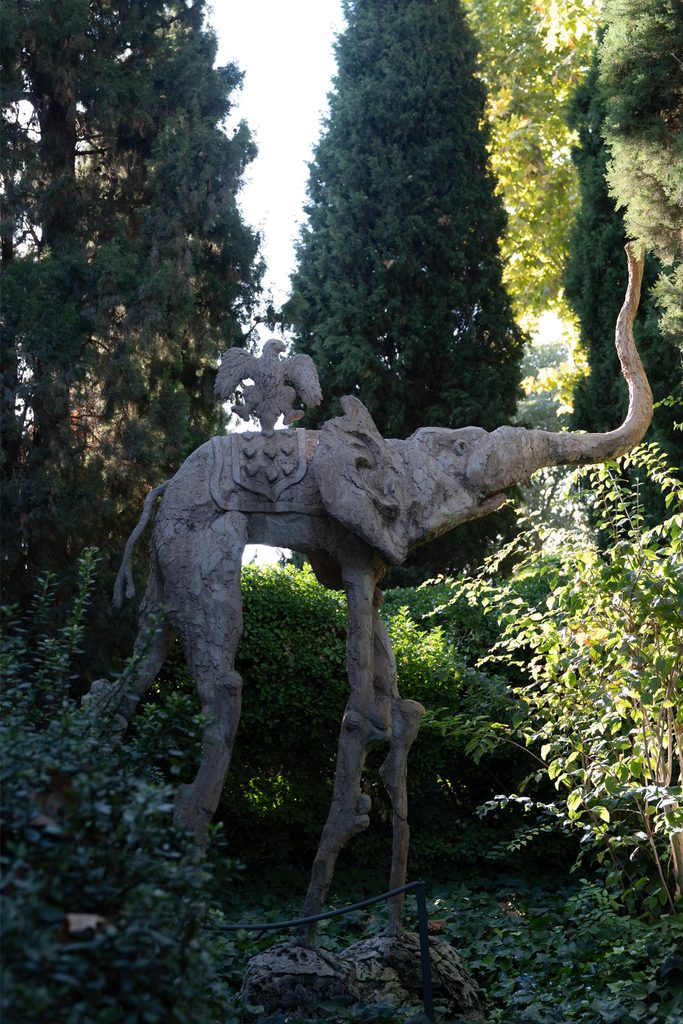
Inside, you can see paintings and drawings Dalí gave her, along with her collection of haute couture dresses, and the gardens have his famous long-legged elephant sculptures.
If I’m honest, I’m not particularly an art history fan, but this was interesting to learn about nonetheless.
Dinner at La Campana and live music
For Dinner, we headed back into Lloret de Mar; we walked about 10 minutes from the hotel to La Campana.
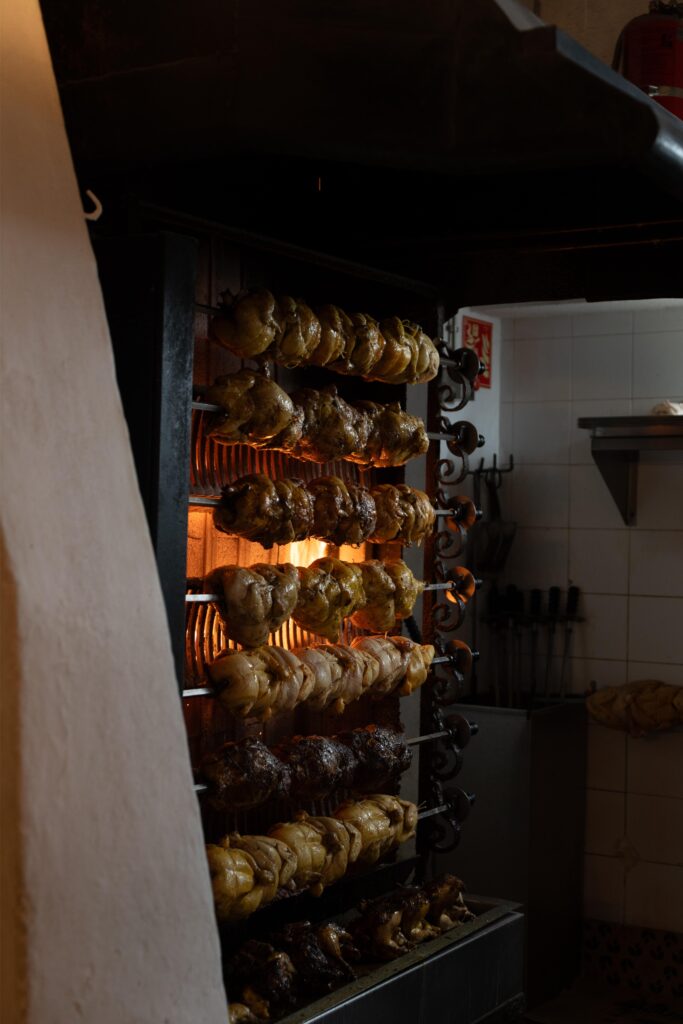
In Lloret, this restaurant is a bit of an institution; it has a very small menu and is best known for its roast chicken, and that’s pretty much all it serves.
And after trying the chicken myself, I can fully understand why this place is loved so much; it’s some of the best chicken I have ever had (no exaggeration).
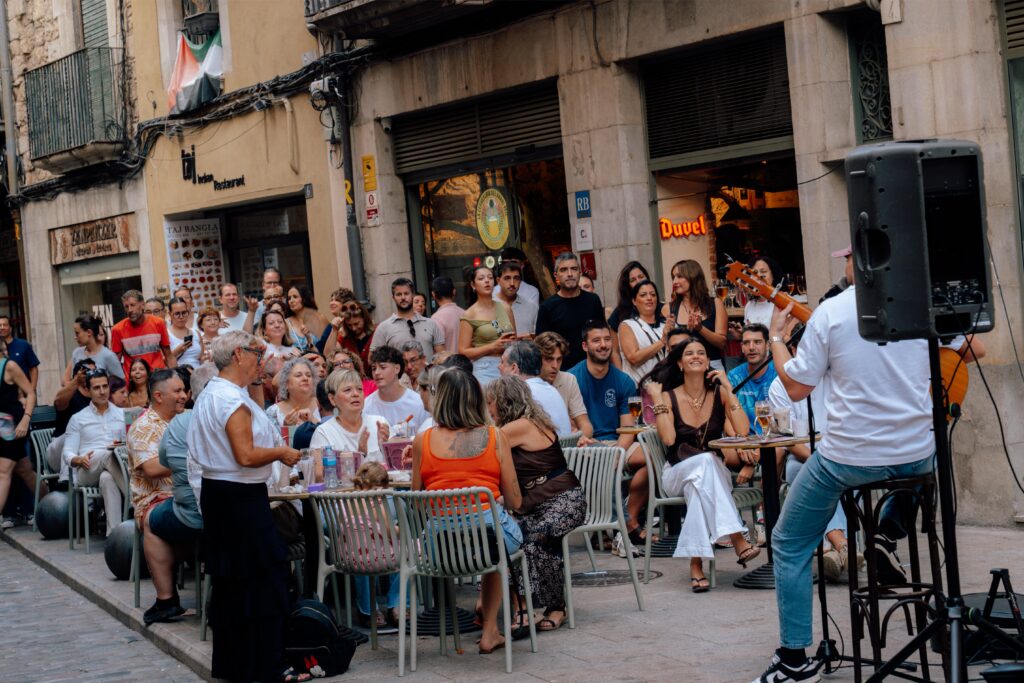
After dinner, I’d recommend heading into town for a drink at one of the local bars. We happened to be there on the same day as a live music concert in Plaça de la Vila, held to celebrate Tourism World Day, which was a fun night out!
Day 3: Things to Do in Girona and Medieval Besalú
Explore Girona
Girona is the capital of the province and one of the most charming cities in Catalonia, and it feels far less crowded than Barcelona. This city has been on my list for YEARS, so I’m so glad I finally got to visit.
We explored Girona with Girona Food Tours, a guided tour that took us through the old town and some of its best food stops. Here’s everything we saw and ate along the way:
Things to do in Girona
- The Red Bridge: Designed by Gustave Eiffel’s company just before he built the Eiffel Tower.
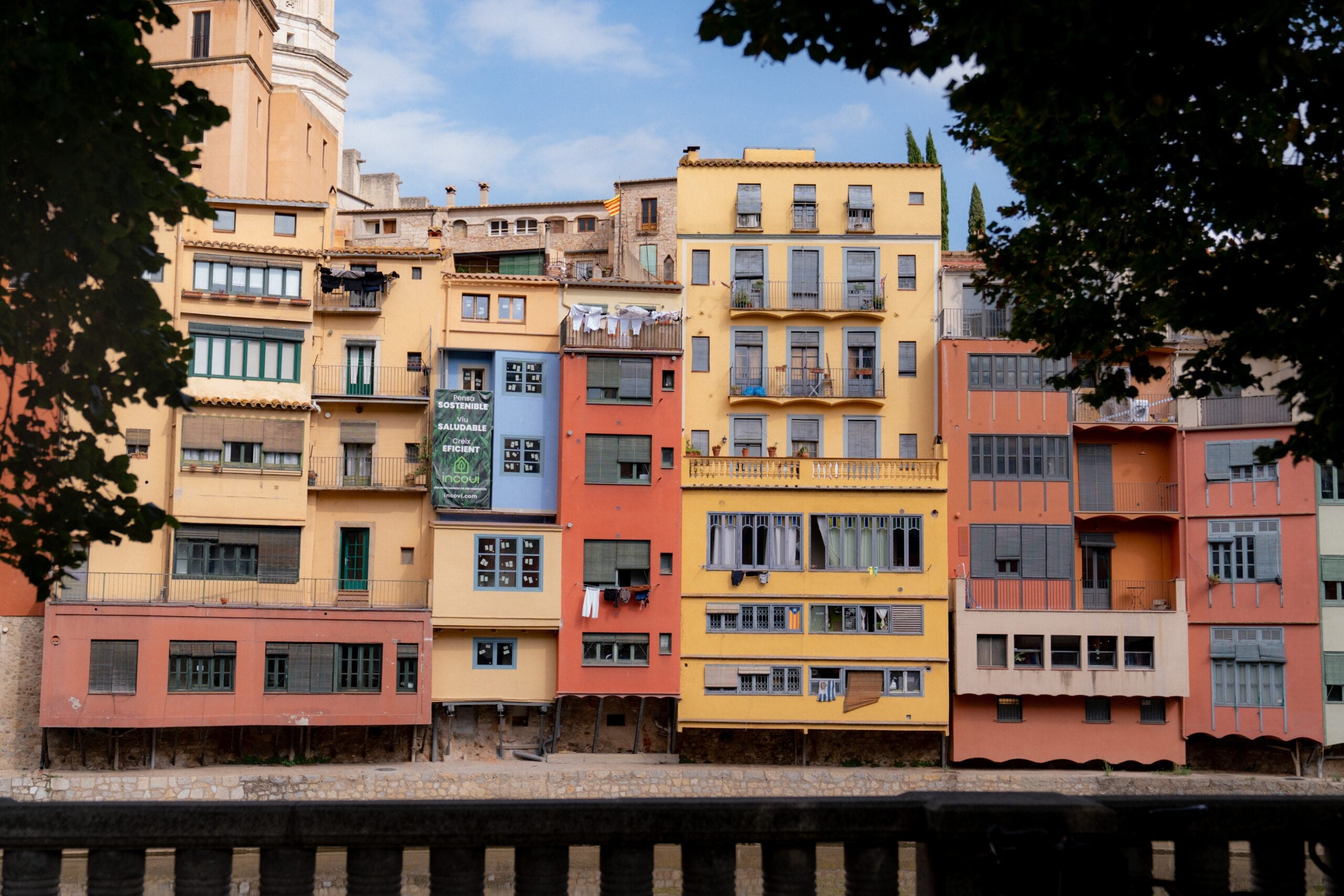
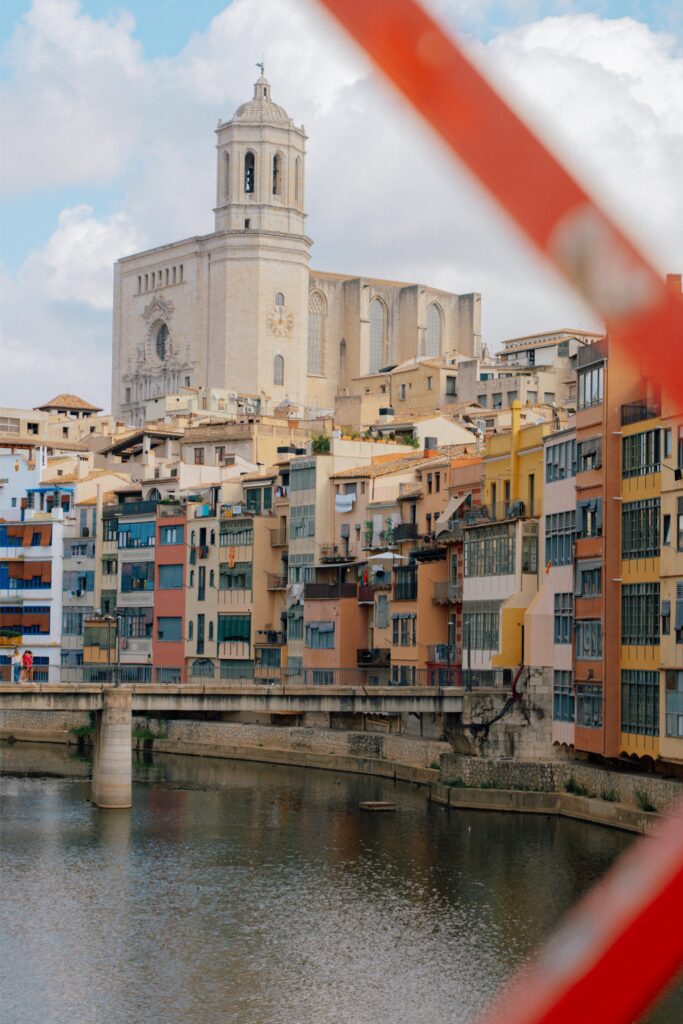
- The colourful Onyar houses: The pastel houses along the river make a great photo spot.
- The Jewish Quarter: One of the best-preserved Jewish quarters in Europe, with cobbled streets and old buildings.
- Girona Cathedral: Climb the 90 steps to the top, where famous Game of Thrones scenes were filmed.
- Other Game of Thrones locations: The Arab Baths, Plaça dels Jurats, Sant Pere de Galligants, Passeig Arqueològic and Carrer del Rei Ferran el Catòlic.
- Sant Feliu Church: A gorgeous church that’s often quieter than the cathedral.
- Try A xuixo: Girona’s famous cream-filled fried pastry rolled in sugar. We got ours from Casa Moner.
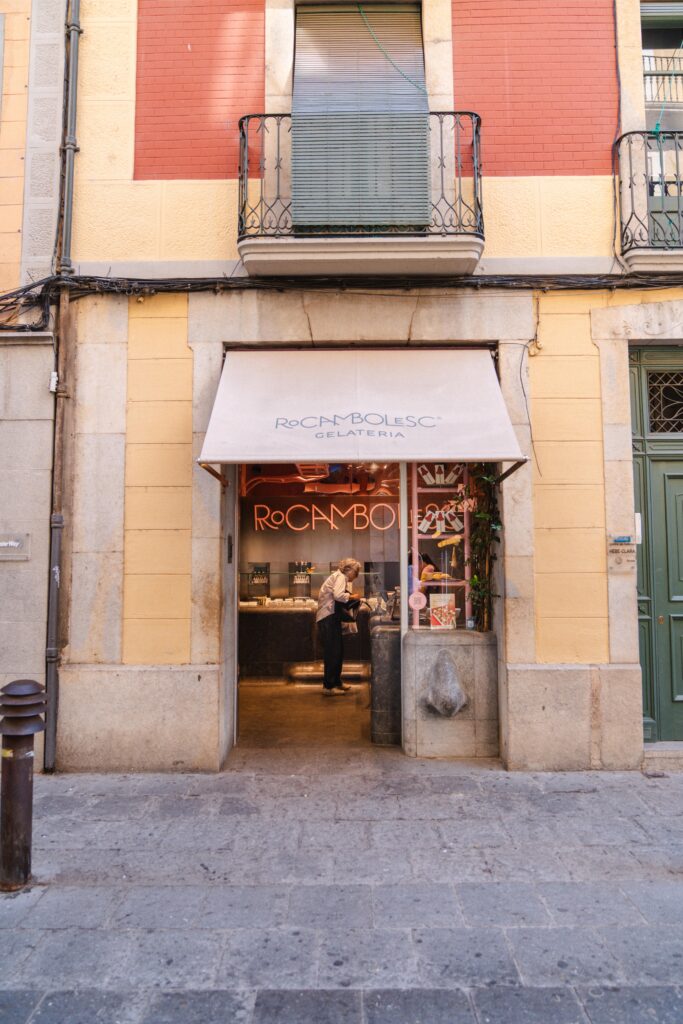
- Rocambolesc: The Roca brothers’ ice cream shop, for seriously good ice cream.
Guided tour of Besalú
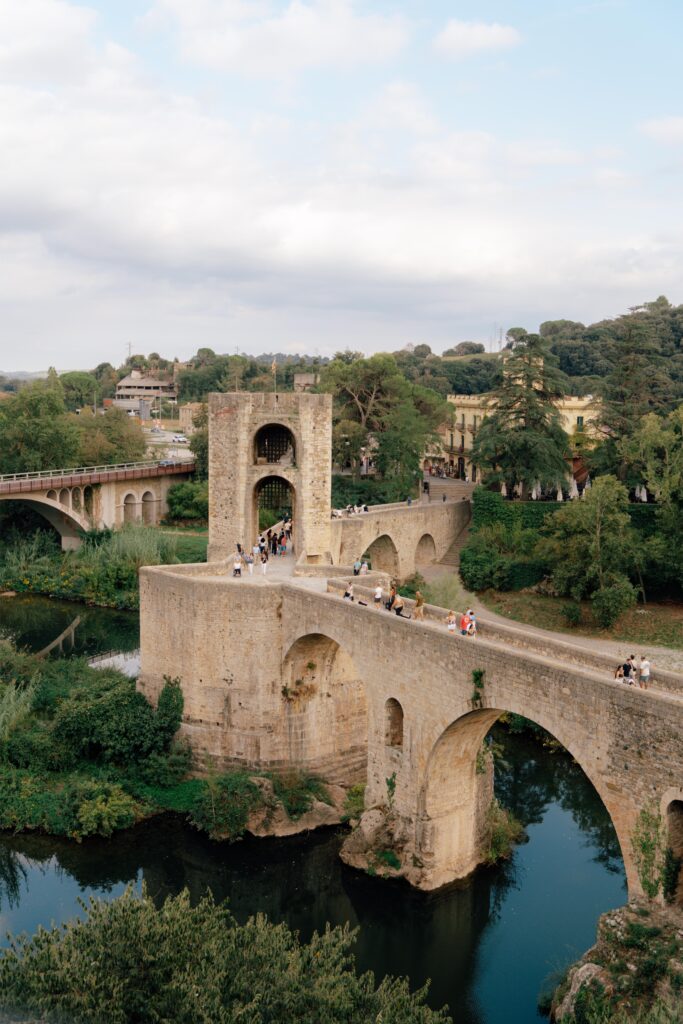
After Girona, we headed to Besalú, which is a small medieval town in the Pyrenean foothills, about half an hour north.
It’s one of the best-preserved medieval towns in the region, and wandering around it felt like stepping back in time.
My favourite part of the town had to be the fortified Romanesque bridge (which is what the town is best known for); however, Besalú also has an interesting Jewish history, including a 12th-century ritual bath called a mikveh, which was found by chance in 1964.
Dinner at La Brava Steak House
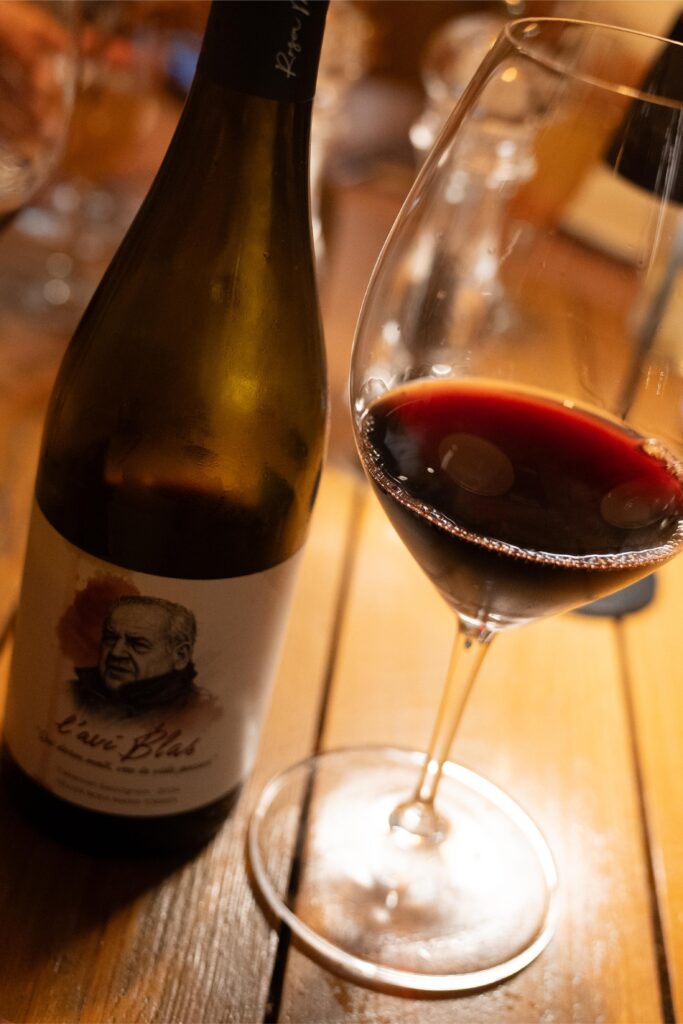
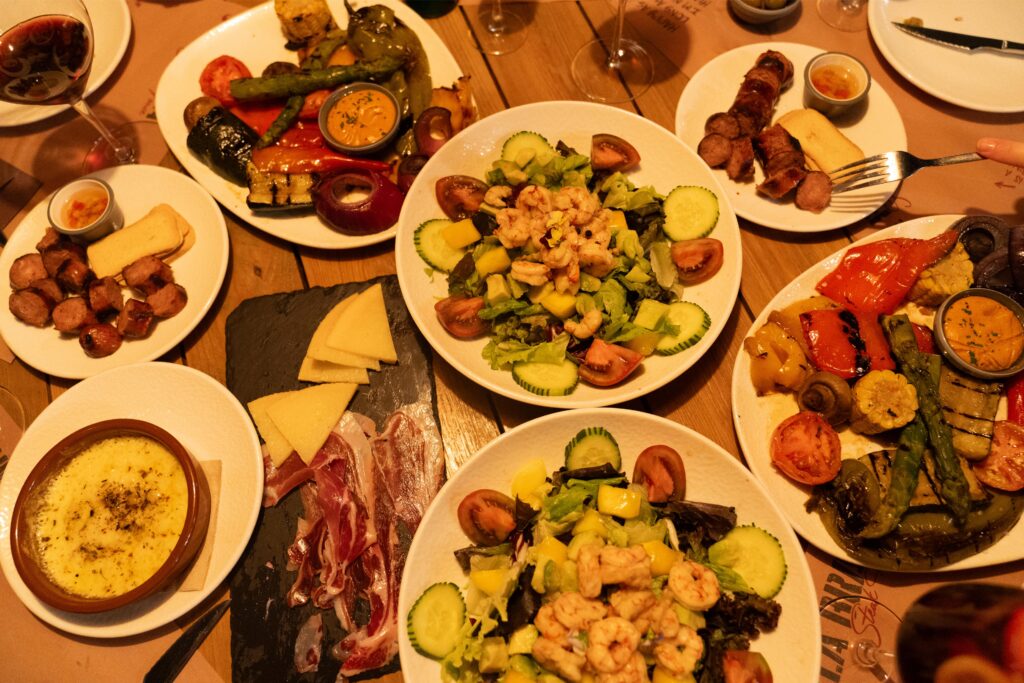
For dinner, we headed back to Lloret De Mar once again for the most incredible steak dinner at La Brava Steakhouse. I don’t think I have ever been served so much food before, but it went down a treat, and of course the steak was fantastic!
Costa Brava FAQ’s
How many days do you need in Costa Brava?
3-4 days is enough to see the highlights: a couple of beach days, Girona, and a day exploring medieval towns like Besalú. With more time, you could slow the pace or add more coastal villages.
What’s the best time of year to visit Costa Brava?
May, June and September are ideal. The weather is warm, the beaches are quieter than in July and August, and prices are generally lower.
What’s the best way to get to Costa Brava from the UK?
The easiest option is to fly into Girona or Barcelona. You can check Flights from Manchester Airport to see which routes are available. From either airport, it’s roughly an hour or less by car or transfer to most Costa Brava resorts, depending on where you stay.
Do you need a car in Costa Brava?
Yes, it definitely makes things easier, especially for more rural parts of the region, which are harder to reach by public transport. If you’re staying in a resort like Lloret de Mar and only doing Girona, buses and taxis are enough.
Why Costa Brava Deserves a Spot on Your Travel List
A trip to the Costa Brava will give you a bit of everything in just 3 days, and I loved every minute of it.
From Golden beaches to e-biking along the coast, tapas in Girona and wandering the medieval streets of Besalú, there is something in the Costa Brava for everyone.
A trip here is easy to plan and works just as well for a relaxed beach break as it does for an active getaway or a historical holiday.
If this has you tempted, it’s worth browsing last-minute holidays for deals, and Jet2holidays makes it simple to book flights and accommodation together. Use this itinerary as your starting point, then tweak it to suit your trip.
If you have any questions about this itinerary, please feel free to reach out!
