Backpacking India: A Realistic Travel Guide for 2026

Thinking about backpacking in India but feeling a bit overwhelmed? I don’t blame you.
India has a bit of a reputation for being chaotic, intense, maybe even intimidating if you’re going it solo.
But after spending 6–8 weeks solo backpacking across india. Travelling to Varanasi, Rajasthan, and Kerala, I can tell you that India is not only doable, but it’s also one of the most rewarding places I’ve ever explored.
And, I even went back for a second year because I loved it so much!
Yes, it’s full-on, there are scams, crowded trains, and the occasional “what on earth is happening right now?” moment.
However, it’s also filled with some of the most generous people I’ve ever met, landscapes that shift dramatically from north to south, and food so good it’ll ruin your local takeaway forever.
Whether you’re planning your first backpacking trip or you’re a seasoned traveller wondering if India is too much to tackle alone, this guide is here to help.
I’ll walk you through everything I wish I knew before booking that flight, from safety and visas to where to go, how to get around, what to pack, and how to make it all feel less intimidating.

Disclaimer: This post contains affiliate links. If you decide to make a verified purchase through the links in this post, I will earn a small commission. This will be at no extra cost to you. Thank you.
Backpacking India: Is It Safe for Backpackers (and solo female travellers)?
Let’s address the big question straight away: Is India actually safe for backpackers? The short answer? Yes, but it’s not without its challenges.
I’ve travelled solo through India twice now, spending weeks in both the north and south.
And while the chaos is real, the danger is often overhyped, especially if you’re a woman.
Most of my experiences were overwhelmingly positive, filled with kind strangers, offering me free cups of chai just because I took the time to speak with them, and some even helped me when my overnight bus didnt turn up.
That said, I did have one situation where I was followed during my 2 days in Varanasi. Although I didn’t feel unsafe in that moment because of how busy Varanasi is, I can imagine it would have felt very different if I were down a quiet or dark street.

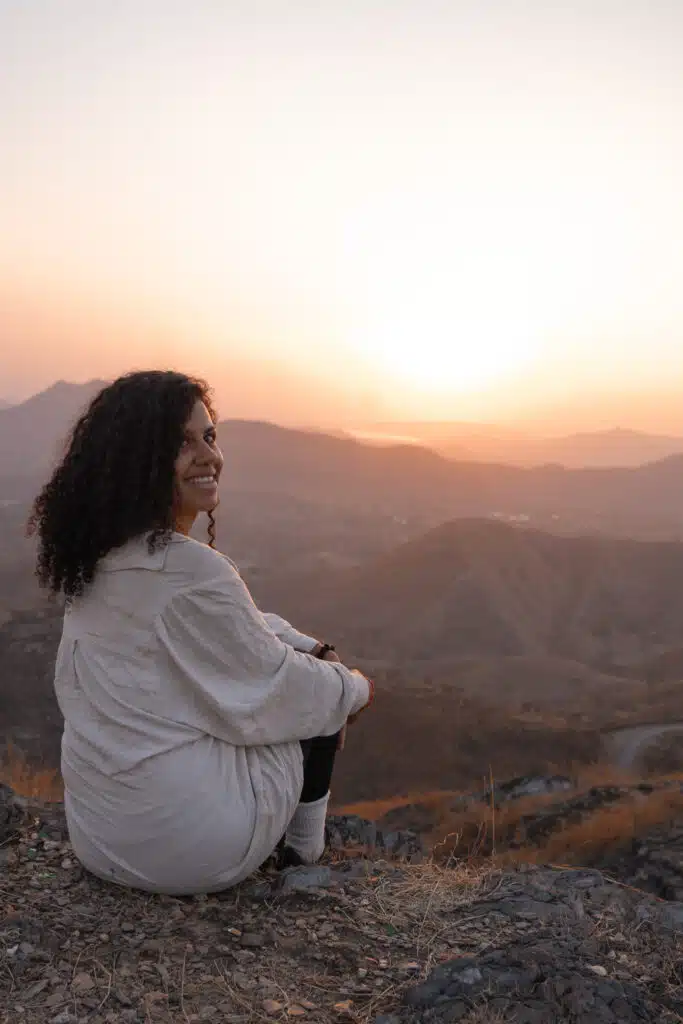
Like anywhere, India requires street smarts, awareness, and preparation. You won’t blend in (even if you try), and you will stand out. I also say that as someone who is half-Indian and who blended in a little more than most foreign travellers I met.
One thing I learnt on this trip to India is that you have to stand your ground and be comfortable with saying no to people.
People will approach you asking for your photo, your number, where you’re staying, and so many other personal questions you wouldn’t normally get asked elsewhere.
Saying no, being firm, and even making a little scene if someone is making you feel really uncomfortable (which is exactly what I did when I realised that guy was following me) will get you a long way, as I realised that a lot of these men who approach you don’t like confrontation.
Want a deeper dive into this? I’ve written a full post on Solo Female Travel Safety in India that includes specific tips, real scenarios, and how to handle unwanted attention, plus lots more!
Mentally Preparing for Your Backpacking Trip to India
India is full-on, and there’s no real “easing into it slowly” unless you go straight to a mountain town, or to the backwaters of Kerala.
From the moment you land, you’re hit with intense heat and the sound of a thousand honking horns.
It can be a lot, but it’s also part of what makes the experience so memorable (and I’ve often found myself yearning to be back in the chaos).
The first thing to get clear on is this: you’re not going to see all of India in one trip. It’s huge, travel takes time, and like most backpacking trips, things won’t always go according to plan.
India will challenge you, and I can confirm there were some tears on my backpacking trip, but that doesn’t mean it’s unmanageable.
The more mentally prepared you are, the easier it is to navigate the chaos and actually enjoy it.
How to Plan A Backpacking Trip To India (Before You Book Your Flight)
India is really not the kind of place to show up without a plan. You don’t need a super rigid itinerary, but having no structure at all will most likely result in a little bit of a meltdown, especially if it’s your first time.
A bit of upfront decision-making on how long to go, where to focus, and what kind of travel style works for you will make everything a lot easier for you once you land.

How Long Should You Spend Backpacking India?
The most important thing to determine before you actually start booking flights is how long you’re going to spend in India, or maybe you have no time limit, but either way, you’ll need a rough idea.
After spending almost 2 months in India on my first backpacking trip there, I learnt that one of the biggest things that will eat into your time there is the actual “travel” part of your backpacking trip.
Distances between towns and cities are long, so it is important to have a schedule that incorporates days that are specifically for travelling, specifically for exploring and specifically for resting (because trust me, you’re definitely going to want a good few rest days).
If you’ve only got two weeks, it’s doable, but you’ll need to be extremely selective, and unfortunately, there won’t be much time for rest.
Don’t try to do both North and South; you’ll need to just pick one region and stick to it.

Four to six weeks is when you’ll be able to start seeing more of the country and multiple regions.
You can move at a slightly slower pace, factor in rest days, and start to really immerse yourself in the country (and get used to and comfortable with the way everything works).
With this amount of time, you can comfortably see places in both the North and the South of the country.
If you have two months or more, you can really explore the country to its fullest and experience things like Himalayan trekking, spiritual retreats and off-the-beaten-path places.
From my own trips, I can tell you that trying to see too much is the fastest way to ruin your trip (and make yourself ill).
On my first visit, I stuck to Varanasi, parts of Rajasthan, and Kerala (and even then, I felt like I was moving too quickly at times).
When you’re picking a trip length, ask yourself what kind of experience you want. If it’s just to get a taste of India, 2–3 weeks is enough. But if you’re hoping to travel deeper, give yourself longer.

Best Time to Visit India
India’s climate changes drastically from region to region, so timing matters more than you might think.
The best months to backpack India are generally from November to March (but exactly where you go during that window makes all the difference).
On my trip, I travelled from February to early April, and I’ll be honest, I did it the wrong way round.
I started in the north and ended in Kerala in April, where it was so humid it was almost unbearable.
The heat honestly took my breath away, and I was just constantly covered in sweat, and my curly hair, well, just look at the picture below to see what happened to that!

If you’re planning to come during this time of year, do the opposite: start in the south and move north as it warms up. You’ll avoid the worst of the heat and humidity that hits the south by April.
March is also a great time to be in India if you want to experience the famous Holi Festival, which I can highly, highly recommend.
Avoid April to June, especially in Rajasthan and Varanasi, as temperatures regularly hit 40°C (104°F) or higher. However, this is a good period to visit some of the mountain towns in the very north of India.
The monsoon season follows (June to September), bringing heavy rains that can disrupt travel, particularly in the south and along the coast.
My India Travel Essentials
🛏️Accommodation: Make sure to check out different sites like Booking.com and Hotels.com to book your accommodation! If you’re on a budget, then make sure to check out Hostelworld.
🎟️Activities: I always book my tours through Get Your Guide and Viator, so make sure to check them out as I’m sure they’ll have the perfect tour for you.
🚗Transport: Book trains and buses around India on 12goAsia.
🦋Insurance: Make sure you’re covered against any incidents during your trip. I’ve used SafetyWing multiple times and I can’t recommend them enough! (The payouts are super quick).
📱Download an eSIM: Avoid roaming fees, and have peace of mind that you have internet access when WiFi isn’t available…I recommended downloading SIMs from either Airalo or Sim Local.
Where to Go Backpacking in India
Before you start booking flights, you’ll need to have a rough idea of your route, not just so you can plan your time properly, but so you actually know where to fly into.
India is massive and incredibly diverse. You’ve got deserts, beaches, jungles, mountains, holy cities and megacities, which is all too much to cover in one go (unless you’re on unlimited time, of course).
The first question you’ll need to ask yourself is whether to visit the North, the South, or both.
The north gives you that classic, chaotic India that we’re all so familiar with seeing on our TV screens.
Here you can find places like the holy city of Varanasi, the pink and blue cities of Rajasthan, and not forgetting the Himalayas.
The south is slower-paced and reminded me a lot of Sri Lanka, with beautiful palm-fringed beaches and a more tropical, chilled feel about it.
On my trips, I visited Varanasi, parts of Rajasthan, and Kerala. That gave me a strong contrast between north and south, but even in 6–8 weeks, I felt like I barely scratched the surface.
A rough loop or linear route will help you avoid wasting time and money doubling back. You don’t need to plan every stop now (and I really recommend you don’t, so that you can leave room for spontaneity).
But knowing your entry and exit points will make the rest of your planning a whole lot easier.
Where I Visited On My Backpacking Trip To India, and Whether I Recommend Them
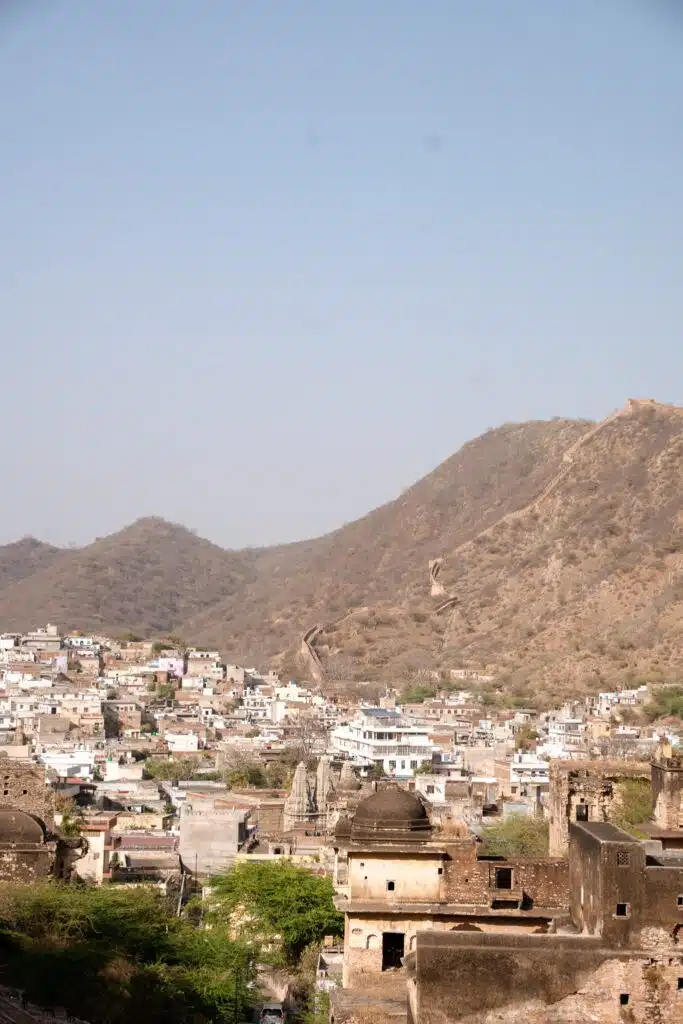
If you’re working out where to go, here’s a breakdown of the places I visited on my trip, what I liked, what I didn’t, and what I’d recommend based on my own experience.
Varanasi
I started my trip in Varanasi, and it was intense from the very beginning. The city is completely unlike anywhere else I’ve been, but also so, so fascinating.
Watching the rituals along the Ganges and seeing the open-air cremations was one of the most memorable experiences of my life, and I often think about going back. Varanasi is definitely worth a visit.

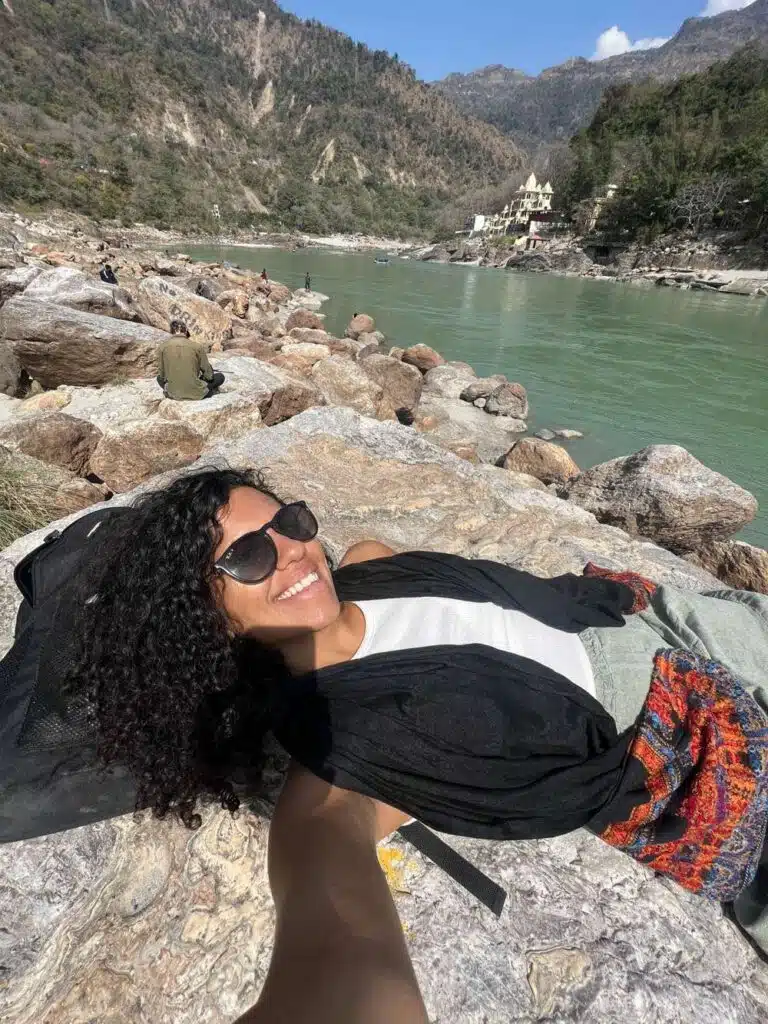
Rishikesh
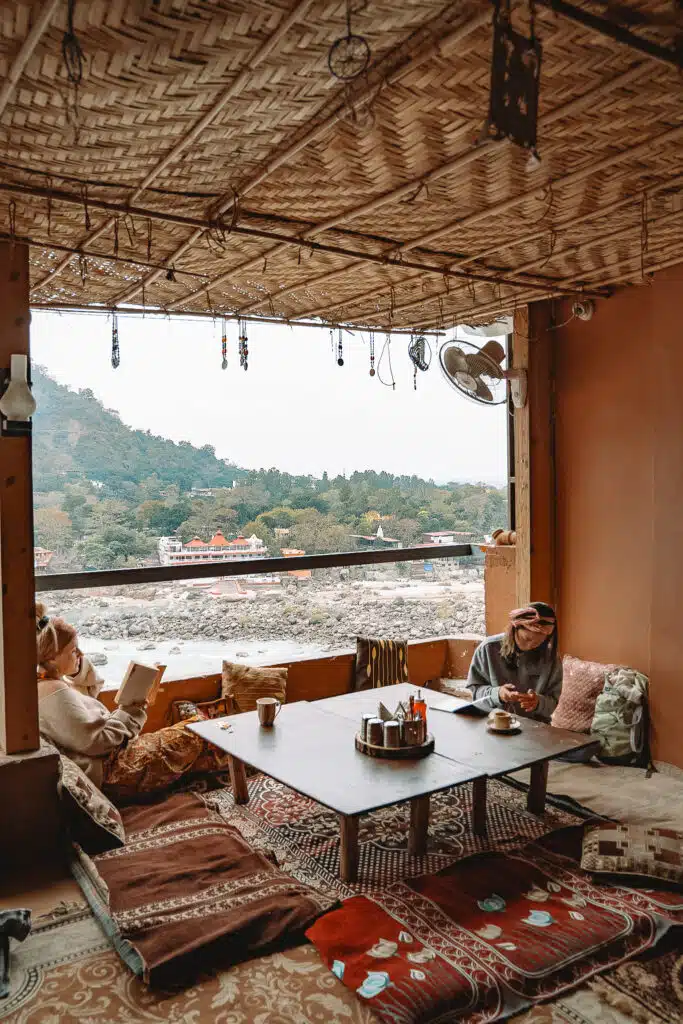
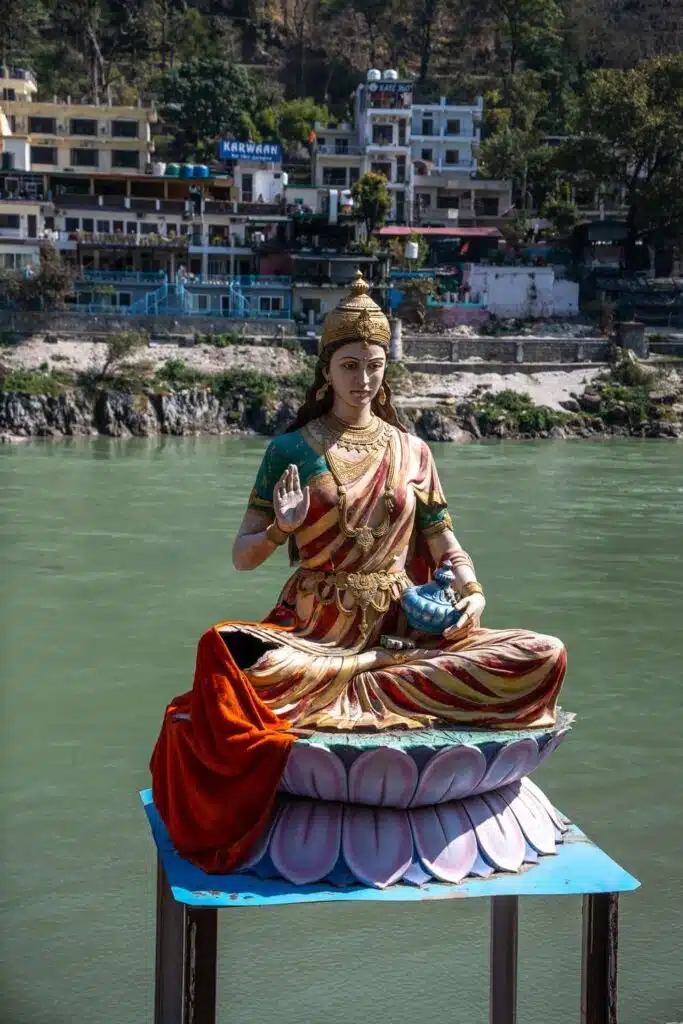
Rishikesh is the birthplace of yoga and one of my favourite spots in North India. It’s such a great place if you want to chill out and practice some yoga.
I spent a week here quite literally eating my way around the city, and trying out new things, including ecstatic dance (which wasn’t for me, but you’ve got to try these things once, right?).
Agra
Agra was probably my least favourite city, and where I felt most uncomfortable. The level of attention and hassle was noticeably higher, and I didn’t enjoy the atmosphere.
And if I’m really honest, the Taj Mahal, while undeniably impressive, really didn’t do it for me (which I know is a bit of a controversial opinion). If you want to see the Taj Mahal, I would recommend spending just one day here.

Jaipur
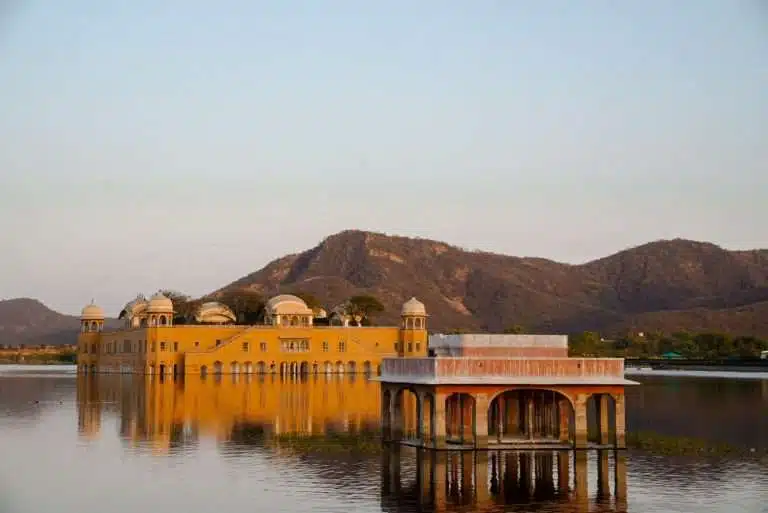
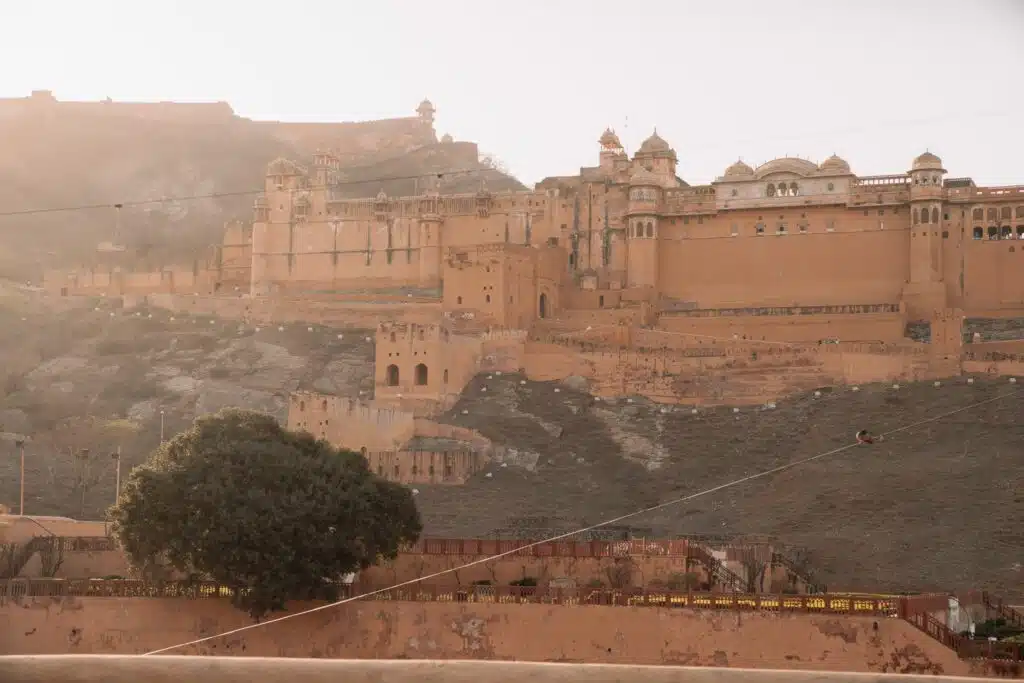
Jaipur is visually stunning, and if you’re into architecture and historic sites, you’ll definitely love it.
But personally, I didn’t fall in love with it as most people do. The city felt busy and a bit overwhelming, and while I can see why people love it, it wasn’t a highlight of my trip. I’d only include it if you have a strong interest in the forts and palaces.

Pushkar
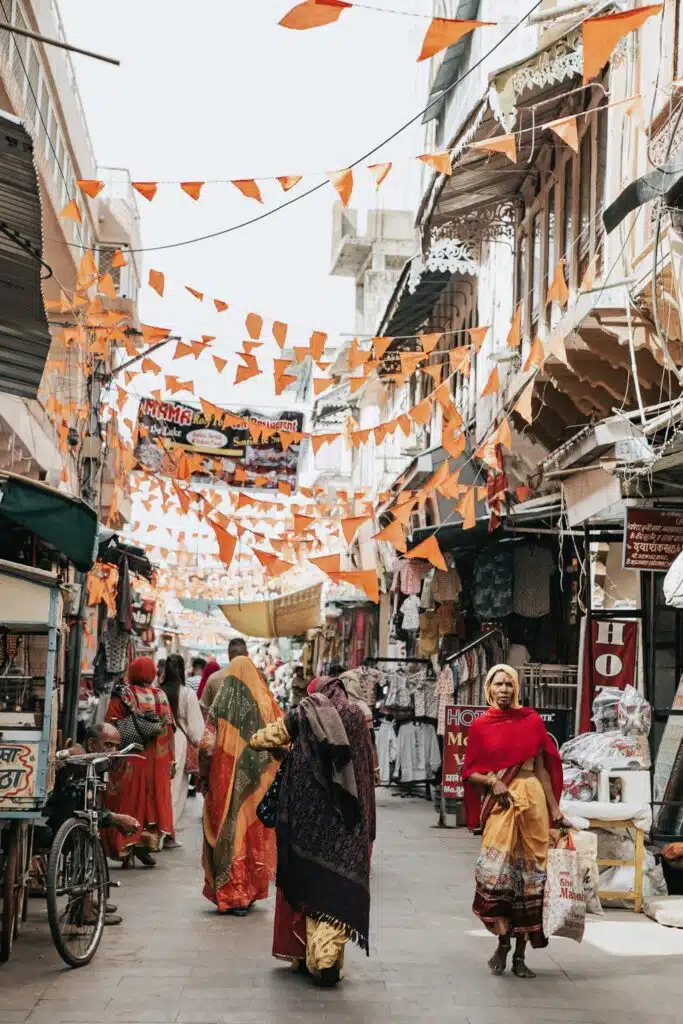
Pushkar was one of my favourite places in Rajasthan because I really loved the spiritual, hippie vibe that you could feel throughout the town. I also loved how walkable it was, and I felt really comfortable here as a solo female traveller.
Udaipur
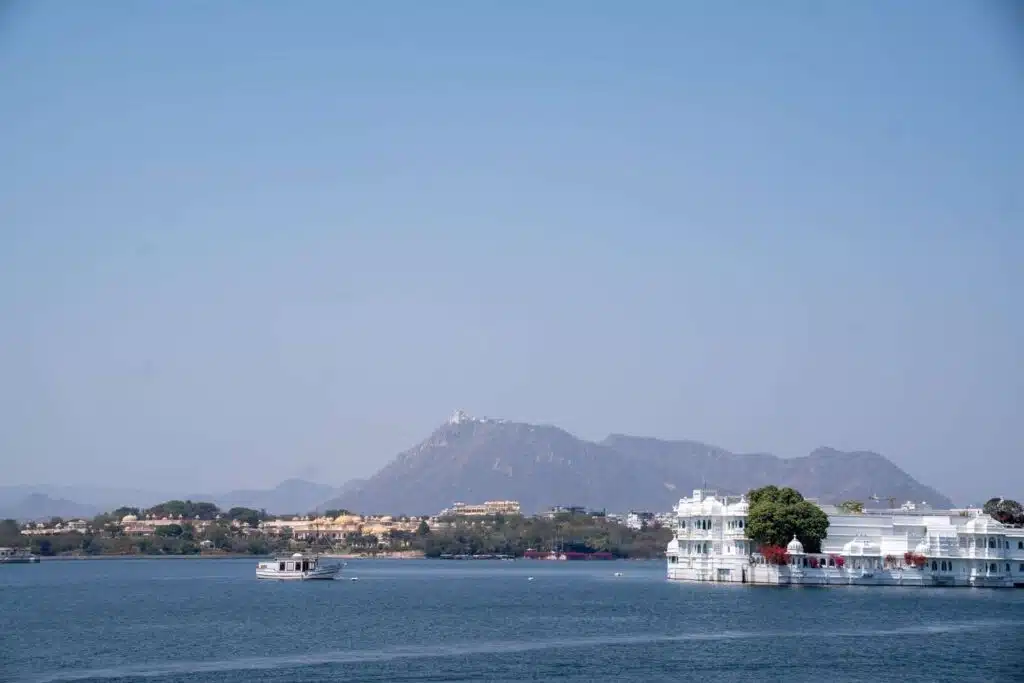
Udaipur was one of the calmest cities I visited, and I loved it so much I came here a second time the following year. The lake setting gives it a very different feel from the rest of Rajasthan, and it was a nice place to slow down.
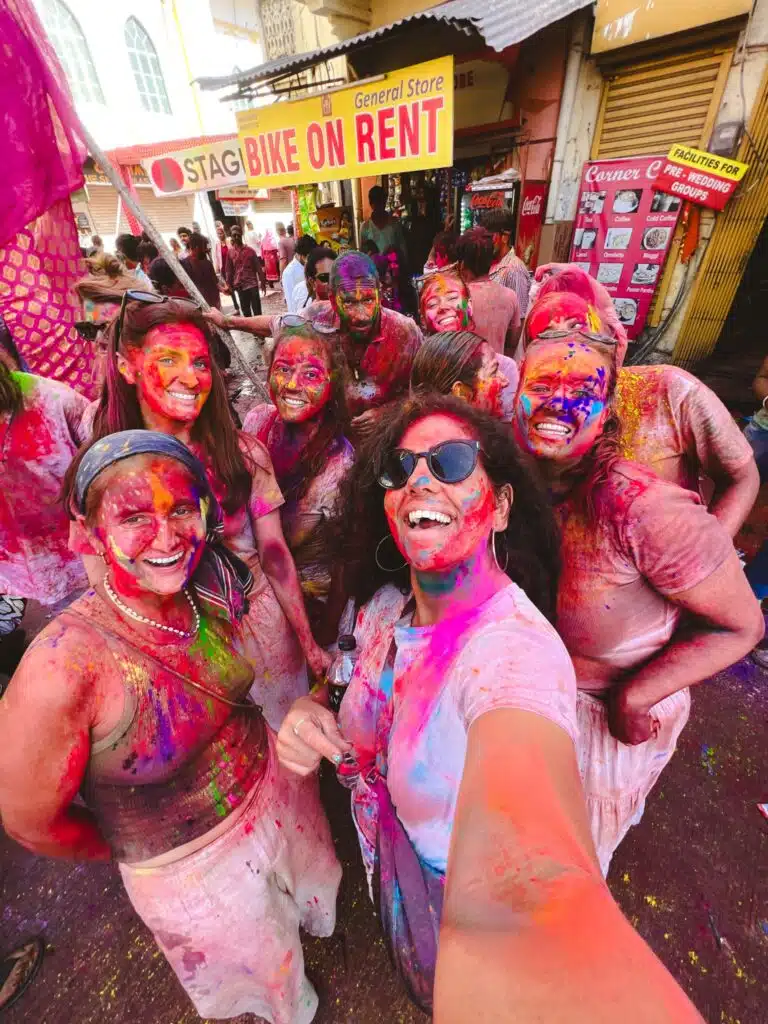
I happened to be there during Holi Festival, which was such an incredible experience.
Kerala – Varkala, Alleppey, and Kochi
Kerala felt like a different world compared to the north.
Varkala beach was so gorgeous with its clifftop cafes and sea views. I spent 4 days here, and it was such a great place to unwind.
Alleppey was probably my favourite stop in India; the backwaters were super peaceful, and I’ve never felt so tranquil and in awe of a landscape before.
Kochi didn’t stand out as much. It was useful as a base, and there are some nice cafes and galleries, but I wouldn’t go out of my way for it.
That said, it’s well-connected and made sense for the route I was doing (I also got a hygienist appointment here for just £20).

How to Plan A Backpacking Trip To India (After You Book Your Flight)
How to Get a Visa for India
You need a visa to enter India, and the exact process will vary depending on your nationality. For most travellers, including those from the UK, the e-Visa is the easiest option and can be applied for online in advance.
If you’re from the UK, you can apply for your Indian Tourist e-Visa online through the official Indian government website (always double-check you’re not on a third-party site).
If I’m honest, this visa application process is the most frustrating one I’ve ever had to do.
What should be a fairly straightforward process is made very difficult by an extremely clunky website that looks like it belongs in the 1990’s, but once you do get through it, the processing times are fairly fast in my experience.
There are a couple of options when it comes to duration:
- If you’re applying for a 30-day visa, you can submit your application between 30 and 4 days before your arrival date.
- If you’re applying for a 1-year visa, you can apply up to 120 days before your arrival.
Once approved, your e-Visa will be emailed to you, but make sure that you print a physical copy to carry with you, even if you also save a digital version. Indian immigration often still wants to see the paper version on arrival.

Decide Your Travel Style (Are You Budget, Mid-Range Or Luxury)
Before you start booking trains and hostels, get clear on how you actually want to travel. India can be done on a tight budget or in relative comfort (which is good to know if you’re a bit more of a boujee backpacker).
I mixed shared hostel dorms with private rooms (within hostels, so I could still meet people) and found that balance really worked well for me because sometimes I wanted to be social and other times I just wanted to chill.
Ask yourself: how often do you want to move? Do you need privacy to recharge? Are you okay with cold showers and squat toilets, or will that wear you down?
India offers every kind of travel experience, so make sure choose the one that will keep you most mentally sane.

How to Get Around India as a Backpacker
Getting around India is an experience in itself. You’ve got 5 main options: trains, buses, flights, tuk-tuks, and Ubers/Ola.
Travelling Between Different Cities
Trains
Everyone talks about the trains being the best and most fun way to get around India, but if I’m being really honest with you (and I’m going against the norm here), I actually hated the whole train booking process and overall experience.
I found booking trains incredibly difficult through the main IRCTC website because I didn’t have an Indian phone number (as I was using an eSIM).
I was able to book trains through 12GoAsia; there were fewer routes advertised here, and they were more expensive.
That being said, getting the train is part of the complete experience, so I do recommend giving it a go once or twice, because you might end up liking it much more than I did.
My top tip? Get an India SIM (phone number), it will make your life a lot easier.
Overnight Buses
What I preferred by a mile was the overnight buses. These buses come with compartments that are essentially your beds for the night, and if you book a premium one, you get a nice, clean toilet too.
As a solo traveller, I also didnt have to worry about going too far away from my belongings, which was the case when I wanted to use the toilets on the train.

I used 12GoAsia and the RedBus website to book bus transport between cities, and both sites are super reliable.
Just make sure to read the reviews before choosing a bus operator, as the comfort levels vary a lot. I always had a good experience with the ‘Mahalaxmi’ brand.
Flights
If you’re short on time or doing longer distances, I found domestic flights to be really affordable.
There are several budget airlines, but I had the best experience with IndiGo (and I think budget airlines in Europe could learn a lot from them).
Just keep in mind that airport security in India is intense, even on local flights, so make sure arrive early and be prepared to unpack all your tech.
📱NOTE: Airport security in India is strict and can take a while, especially if you’re carrying a lot of tech. You’ll likely be asked to unpack everything (cameras, laptops, hard drives), so keep that in mind when organising your hand luggage, even for domestic flights.
Getting Around Within Your Destination
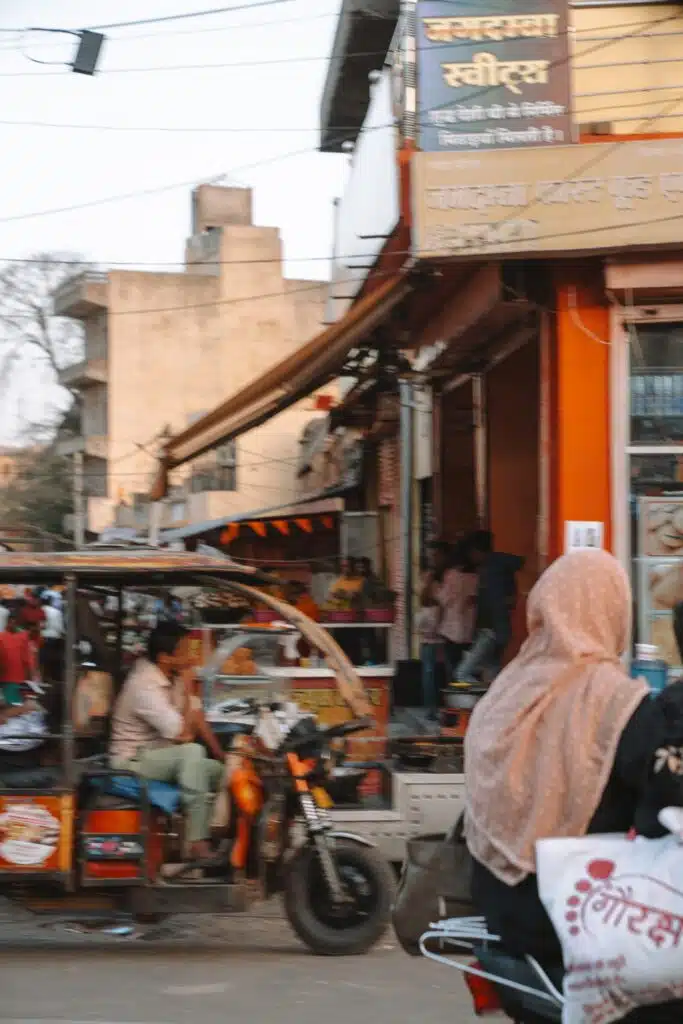
Inside cities, tuk-tuks (auto-rickshaws) are everywhere and usually cheap. Just make sure to agree on a price before you get in.
In major cities like Delhi, Mumbai, and Jaipur, rideshare apps like Uber and Ola work really well too.
Accommodation in India: What to Expect as a Backpacker
I mostly stayed in hostels during my trip (and it’s likely that if you’re reading this post, you will too).
A lot of them were really good for cleanliness and meeting other travellers, but not all that I stayed at actually live up to their reviews.
In fact, I later found out that some of the high ratings were based on fake or incentivised reviews, which explains a lot about the one or two strange places I chose to stay at.
My advice would be not to rely solely on the star rating, but to make sure to read every review in detail.
Look at the age, gender and location of the person leaving them, and also look at overly generic or repeated phrases in the reviews.
And better yet, if you can get a word-of-mouth review, go off those instead.
Some of my favourite hostels in India were:


How Much Does It Cost to Backpack India?
India is often labelled as a “cheap” destination, and while that can be true, it really depends on your travel style and how much comfort you’re after.
It’s absolutely possible to backpack here on a tight budget, but you’ll want to know what that actually looks like in practice.
On average, I was spending $40 a day (₹3,600 INR). As an over-30s backpacker, I wanted a little more comfort, but you can definitely spend less!
That included accommodation, food, local transport, and the occasional activity.
Here’s a breakdown of typical costs:
- Hostels: ₹400–₹1,000 ($5–$12) for a dorm, or ₹1,000–₹2,000 ($12–$24) for a private room
- Food: ₹100–₹300 ($1.20–$3.60) for local meals; ₹400–₹700 ($5–$8.50) for café meals or Western food
- Transport: ₹500–₹1,000 ($6–$12) for overnight buses; ₹100–₹250 ($1.20–$3) for short tuk-tuk rides
- SIM and data: Around ₹400–₹800 ($5–$10) for a tourist SIM with plenty of data
- Extras: Yoga classes, boat rides, or guided tours usually ranged from ₹500–₹1,500 ($6–$18), depending on where I was
India is great for flexible budgeting, but also, don’t sacrifice comfort or safety just to save a few dollars. I found it worth paying more for cleaner hostels and safer transport.
Always carry small denominations; many places won’t have change for larger notes. And try to use ATMs that charge lower withdrawal fees, as some banks add on steep charges.

Scams in India (and How to Avoid Them)
India is generally safe to travel through, but like any popular destination, tourist scams do exist. Most of them are harmless, but they might leave you with a wallet that’s a little lighter.
I very nearly got caught out by a scam during my 2 days in Pushkar, but thankfully, I realised, refused to pay and walked away.
Some of the most common scams include:
- Fake guides – unlicensed guides offering incorrect information or pushing commission-based shops
- Gem scams – overpriced or fake gemstones sold as “investment pieces”
- Overpriced camel rides or safaris – experiences that don’t match what was promised
- Fake handicrafts or antiques – mass-produced items sold as handmade or historic
- Pickpocketing – especially in crowded markets and tourist areas
- Fake holy men – offering blessings or readings before demanding money
- Overpriced transport – drivers inflating prices or taking longer routes
- Fake charity scams – donations pocketed by individuals posing as charity workers
- Commission-based drivers – steering you to shops or restaurants for kickbacks
- Fort ticket scams – fake or inflated tickets sold near major attractions
- Bait-and-switch hotels – advertised rooms replaced with lower-quality ones
- Fake tourist offices – charging inflated prices for tours or tickets

What To Pack For A Backpacking Trip To India (& Other Essentials)
Here’s what I personally used on my backpacking trips and would recommend every time.
Packing List for Backpacking India (Female Travellers)
This isn’t everything, but it’s a solid starting point for what you’ll actually use day to day:
- Lightweight, breathable tops (linen or cotton work best)
- Loose trousers, flowy skirts, or jumpsuits
- One or two long-sleeved shirts or light jackets for sun protection and conservative areas
- A couple of dresses (just avoid short or strappy ones for rural spots)
- Shawl or scarf – essential for covering your shoulders, head (in temples), or just making yourself feel a little less exposed in crowded areas
- Comfortable walking shoes (you’ll be walking a lot)
- Flip-flops or sandals – easy to slip off at temples or hostels
- Swimwear – for beach stops like Varkala or Alleppey (wear a cover-up to and from the beach)
- Microfibre towel, refillable water bottle, and dry bag for boat rides or monsoon showers
- Travel adapter + power bank
- Basic first aid and any meds you might need (including rehydration salts)
👗NOTE ON CLOTHING EXPECTATIONS: India isn’t as conservative as you might assume, especially in bigger cities or touristy areas. Sarees often show the stomach, and many locals wear bold or fitted clothing. But as a foreigner, you’ll stand out anyway, and dressing more modestly can help you feel less stared at or uncomfortable, especially in bus stations, temples, or rural towns.

Travel Insurance (Why You Need It)
I always recommend getting travel insurance that covers medical care, cancellations, and stolen tech, especially if you’re carrying a camera or laptop. Check the fine print too (some policies won’t cover you for scooter accidents or adventure activities unless you add them on).
I personally use SafetyWing for standard trips because it’s affordable, really flexible, and easy to extend whilst you’re travelling (which is quite rare for a lot of insurance providers).
If I’m planning something a bit more adventurous (think trekking, mountains or anything with a higher risk factor), I switch to World Nomads, as their coverage for adventure activities is much more comprehensive.
So think about the kind of activities you’ll be getting up to in India and purchase insurance accordingly.
SIM Cards, Data, and Internet Access
If your phone is unlocked, I recommend getting Airtel, as this is the most economical option. I personally used an eSIM, as I don’t have an unlocked phone, and I never had any data issues.
Download offline maps of every city you visit. Google Maps works well in most areas, but it can get glitchy in tight alleyways, in places like Varanasi, for example.
Adapters, Chargers + Power Backup
India uses Type C, D, and M plugs, so a universal adapter is essential.
Bring at least one power bank (more if you use your phone heavily for maps and photos), and ideally a multi-port USB charger if you’re carrying multiple devices.
Some guesthouses have limited plug points or dodgy wiring, so having your own reliable setup will save you a lot of hassle.

Final Thoughts on Backpacking India
Backpacking India isn’t always easy, but if you’re prepared, aware, and open to a bit of unpredictability, it’ll likely be one of the most powerful travel experiences you’ll ever have.
Make sure to take your time planning, but don’t plan too much; you’ll want to leave room to be spontaneous because you never know who you might meet along the way.
Also, remember that contrary to what you might see on social media, you don’t need to rough it to do it right, and you definitely don’t need to see it all in one trip.
If you’re a solo female traveller wondering whether it’s worth it…I’m telling you: yes, it absolutely is. And if you need any more solo travel support, please do check out my solo female travel hub with lots of tips, tricks and advice.
If you found this post helpful, make sure to check out some of my related guides below. Whether you’re trying to figure out choosing your first stop, or looking for reassurance about safety, I’ve got you covered:
- Holi Festival Tips For Women: What to Expect & How to Prepare
- Holi Festival In Udaipur: A Guide For Solo Female Travellers
- The ULTIMATE 4-Week India Itinerary (North & South India)
- The Perfect 2-Week North India Itinerary for First-Time Visitors
- An Awesome 1-Week Rajasthan Itinerary: Forts, Lakes & Culture
- The ULTIMATE 1-Week Kerala Itinerary For First Timers
- Is Varanasi Worth Visiting? Why It’s My FAVE City In India
- Is Udaipur Worth Visiting? – 8 Reasons Why You MUST Visit
- Is Pushkar Safe For Solo Female Travellers?
- The ULTIMATE 2-Day Pushkar Itinerary
- Is India Safe For Solo Female Travellers? My First-Day Scare & What I learnt
- The ULTIMATE Varanasi 2-Day Itinerary – All You Need To Know
- Is Varanasi Safe For Solo Female Travellers? 13 Tips To Keep You Safe
- 14 Drool-Worthy Restaurants & Cafes In Rishikesh, India